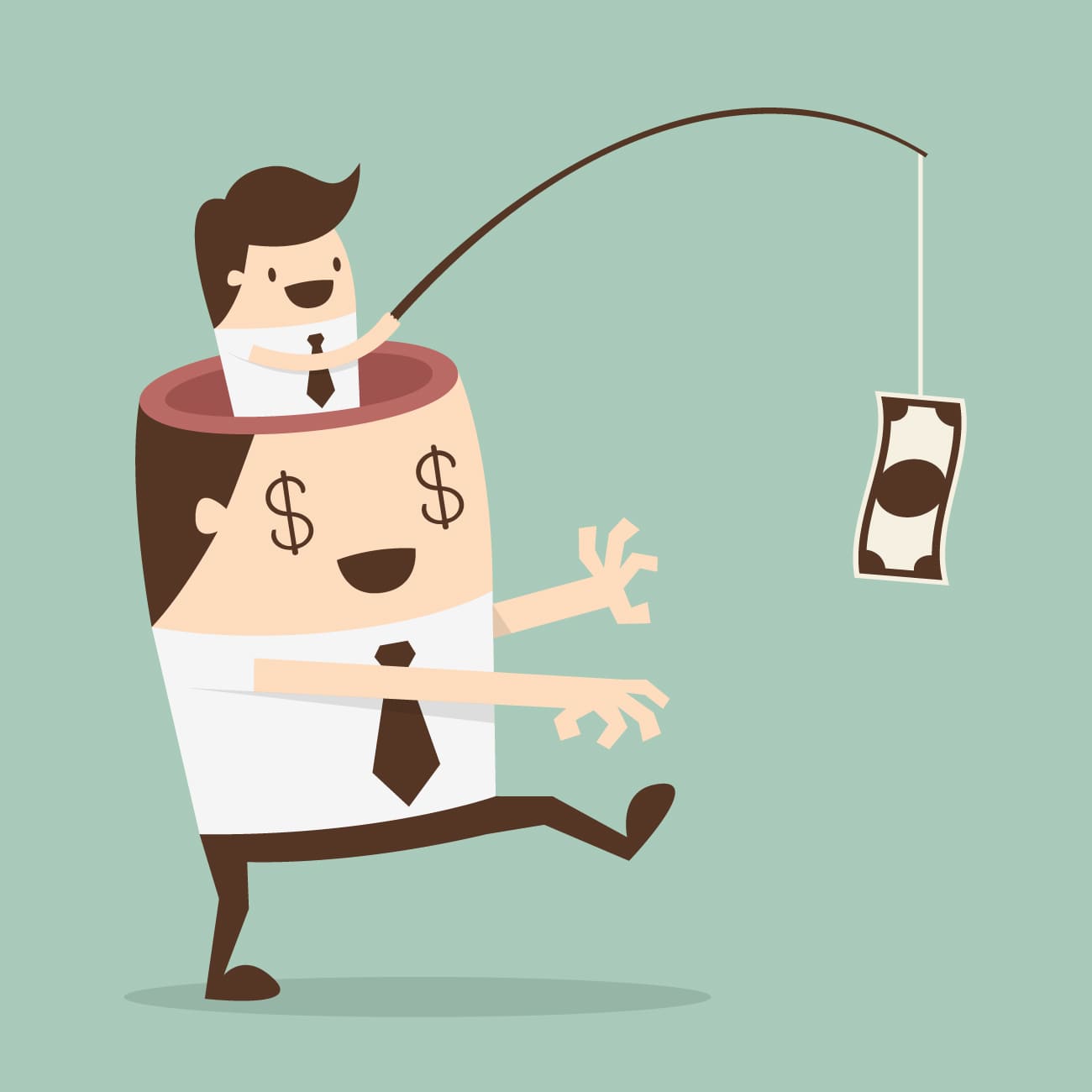
This isn’t a lecture about gambling responsibly. It’s a breakdown of which specific bet types are designed to grind you down the fastest, why the math works against you in each case, and where the line is between bad bets and bets worth considering.
Walk into any sportsbook app and parlays are front and center. Pre-built slips. Boosted odds. “Parlay of the Day” promotions. There’s a reason the books push these harder than anything else on the menu.
A two-team parlay at standard -110 juice should pay out at +260 if it were priced fairly. Most books pay +264, which sounds close enough. Stretch it to a four-team parlay and the fair payout is around +1228. Books typically offer around +1100. The gap between what you should be paid and what you actually get paid widens with every leg you add. By the time you’re building a six-teamer, you’re collecting roughly 60 cents on the dollar relative to the true odds.
The hold on a two-team parlay is around 10%. On a six-team parlay it can exceed 40%. For context, a Vegas slot machine runs at a hold of roughly 5 to 10%. You are doing worse than a slot machine every time you submit a six-leg parlay.
The books don’t hide this, exactly. They just package it in a way that makes the potential payout feel like the whole story. A $10 six-team parlay paying $750 feels exciting. The 40% house edge embedded in that ticket does not feel like anything, because you don’t see it.
Same-game parlays, popularized by FanDuel and now offered everywhere, let you combine multiple outcomes from a single game into one ticket. Player A scores a touchdown and Player B goes over 85 receiving yards and Team C wins by more than 7. It feels sophisticated. It feels like you’re using game knowledge.
The problem is correlation. In a traditional parlay, each leg is treated as independent. In a same-game parlay, the legs are obviously connected, and the book prices that connection however it wants to. If a wide receiver going over 85 yards and his team winning by 7 are positively correlated outcomes (which they are, obviously), the book adjusts the odds to capture that relationship. They just don’t tell you how they’ve adjusted it or by how much.
A 2021 analysis by sports betting researcher Ed Miller estimated that same-game parlay holds at major U.S. books frequently run between 15% and 30%, depending on the legs selected. You have no way of calculating the true odds on your slip because the correlation adjustments are a black box. You are betting on math you cannot see, at a margin the book sets unilaterally.
Teasers have a reputation among intermediate bettors as a clever play. You’re buying points on NFL spreads, typically moving the line 6 points in your favor across two or more teams. The most famous application is the “Wong teaser,” named after Stanford Wong’s 2001 analysis showing that crossing the key numbers of 3 and 7 in NFL games created a genuine mathematical edge.
Here’s the problem. Books read. They adjusted their teaser lines to close that specific window. Where a Wong teaser once showed a positive expected value of around 2 to 5%, the current pricing at most major books has neutralized or reversed that edge entirely. The teaser odds that made the strategy work in 2001 are not the teaser odds you’re getting today.
Teasers also require you to win both legs, which means the compounding hold problem from parlays still applies. A teaser can look like a smart play on the surface while quietly running a hold north of 20% in the current market.
Player props have exploded in popularity over the last five years, and the books are thrilled about it. Props feel like skill bets. You watch the games. You know the matchups. You have opinions about whether a running back will go over 72.5 rushing yards against a particular defense. That knowledge feels like edge.
The holds on player props routinely run 10 to 15% at regulated U.S. books. Offshore books can be even worse. That means before your football knowledge does anything for you, you’re spotted a 10 to 15% deficit on every single bet. A typical NFL side bet runs a hold of around 4.5%. You are paying two to three times the entry fee to play in the prop market.
There’s also a more pointed problem. Books limit winning prop bettors faster than almost any other market. A bettor who shows consistent positive results on player props will find their limits cut within weeks, sometimes days, at books like FanDuel and BetMGM. The market is tolerated as a recreational product. The moment it shows signs of skill, the access disappears.
If you’re going to play props at all, the only version that makes structural sense is hunting for discrepancies between books using a line shopping tool, acting fast before the market corrects, and keeping stakes small enough that you don’t trigger limits before you’ve found enough volume to matter.
Live betting is the fastest-growing segment of the sports betting market, and the books have invested heavily in making it seamless. One tap, instant bet, watch it unfold. It feels like the most dynamic, skill-intensive form of sports betting available.
The reality is that in-game lines move faster than human processing speed. Books employ automated pricing models that update odds in fractions of a second based on game state, score, time remaining, and dozens of other variables. When you see a live line and think “that looks off,” the model has almost certainly already processed whatever information you think you’ve spotted. You’re not beating the algorithm. You’re reacting to what it’s already priced.
The hold on live betting markets also runs higher than pregame lines at most books, typically in the 6 to 10% range compared to 4.5% on a standard spread. You’re paying more for a product where your informational edge is at its thinnest.
Live betting isn’t entirely without value. A small number of bettors exploit specific situations, momentum shifts, injury reactions, weather changes, where the automated model is slow to adjust. But this requires sharp attention, fast execution, and a clear pre-defined trigger. Betting live because a game feels like it’s going a certain way is not a strategy. It’s a feeling with a price tag attached.
Every bet on this list shares the same architecture. High hold. Emotional packaging. The illusion of engagement or skill layered over a structure that systematically overpays the book.
Parlays sell excitement. Same-game parlays sell game knowledge. Teasers sell sophistication. Props sell expertise. Live betting sells instinct. Each one wraps a bad deal in something that feels like a good reason to bet.
The books are not neutral platforms. They are businesses that have spent decades studying which bet types generate the most handle from recreational bettors while creating the least risk for the house. The menu you see when you open a betting app is not organized by what’s fair to you. It’s organized by what’s profitable for them.
This doesn’t mean everything is hopeless. Two markets stand out as structurally more fair than the rest.
Straight sides and totals on major markets, NFL, NBA, MLB, college football, run the lowest holds in the book. At -110/-110, the hold is 4.5%. That’s still a deficit you need to overcome with skill, but it’s a manageable one for a disciplined bettor doing serious line work.
First-half and alternate lines at sharp books, particularly Pinnacle and Bookmaker, are priced efficiently and accessible without the aggressive limiting that soft books impose. The odds are tighter, the margins lower, and the implicit acknowledgment is that the book is willing to compete on a level surface.
Everything else on the menu is negotiable at best, a trap at worst. The six-leg same-game parlay with a boosted payout sitting in your notifications this Sunday morning was built by a team of mathematicians working specifically against your interests.