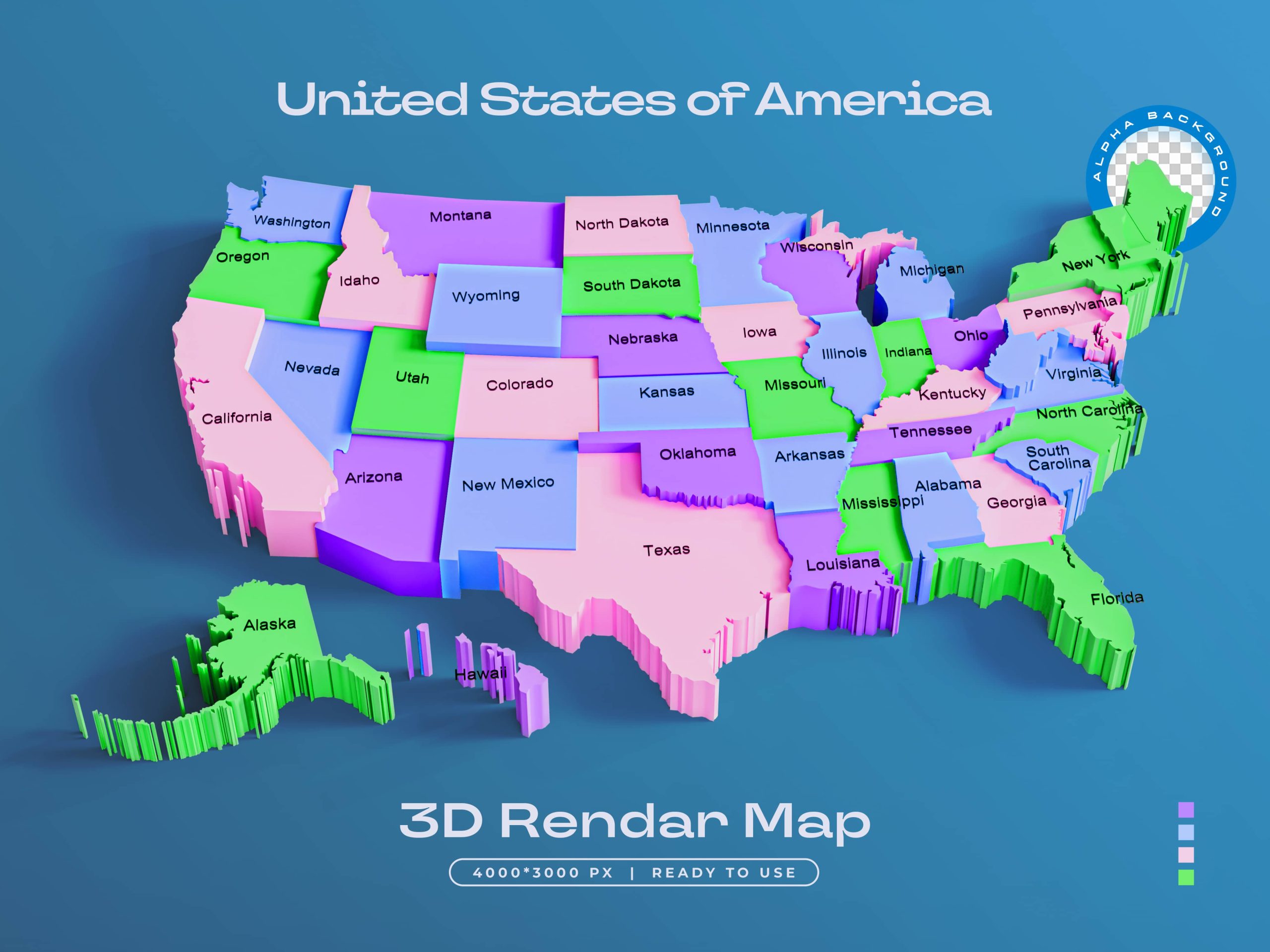
In June 2018, the Murphy v. NCAA decision wiped out the federal ban on sports betting. Overnight, every state in the country had the same option: legalize it, regulate it, tax it.
By 2026, that still has not happened.
More than 30 states have some form of legal sports betting. A dozen do not. Some launched within months of the ruling. Others have stalled for years without a single bill crossing the finish line. The law changed in one day. The outcomes did not.
The gap comes down to three forces that rarely align cleanly: money, politics, and control.
Start with the easiest lever to understand. Money.
New Jersey took in over $1 billion in sportsbook revenue in 2023, with a handle north of $10 billion. That translates into hundreds of millions in tax dollars depending on the year and rate. New York went even further, pulling in more than $1.5 billion in operator revenue in 2024 while taxing it at 51 percent.
Those are not theoretical numbers. They are line items on a budget.
States facing deficits or looking for new revenue streams see gambling as a politically easier option than raising income or property taxes. After the COVID budget crunch in 2020 and 2021, that pressure intensified. Lawmakers needed cash without voter backlash. Betting fit the profile.
But revenue alone does not close the deal.
If money were the only variable, every state would have legalized by now. That has not happened because some states do not view gambling as neutral.
Utah and Hawaii remain fully illegal across the board. No casinos. No sportsbooks. Not even a lottery in Utah. That is not a policy oversight. It is a reflection of deeply rooted cultural and religious opposition that has held for decades.
In Utah, the state constitution explicitly bans all forms of gambling. Changing that would require more than a simple legislative vote. It would require a fundamental shift in voter sentiment. That has not come close to happening.
Hawaii presents a different version of the same resistance. Lawmakers have introduced betting bills almost every year since 2019. None have passed. Concerns about addiction, tourism impact, and social cost consistently outweigh the projected revenue.
So while some states chase dollars, others reject the entire premise
Here is where things get messy. A state can want the revenue and still fail to legalize.
The reason is not public opposition. It is competing interests behind the scenes.
Take California. It is the largest untapped betting market in the country. Estimates from Eilers & Krejcik Gaming [VERIFY: latest projection year] suggest annual handle could exceed $20 billion if fully legalized. The demand is obvious. The revenue potential is massive.
But legalization efforts have failed repeatedly.
The 2022 ballot measures are a perfect example. One proposal backed by commercial operators like DraftKings and FanDuel focused on mobile betting. Another, backed by tribal groups, limited betting to in-person sportsbooks on tribal land. Both sides spent over $400 million combined.
Both measures failed.
This was not about whether to legalize. It was about who gets control.
In many states, you cannot talk about gambling without talking about tribes.
Under the Indian Gaming Regulatory Act of 1988, federally recognized tribes can operate casinos under negotiated compacts with states. Those agreements often include exclusivity clauses. If a state expands gambling outside tribal control, it risks violating those deals.
Florida shows how complex this can get. The state reached a compact with the Seminole Tribe of Florida in 2021 granting them control over sports betting. The rollout was challenged in federal court, paused, and later reinstated after a 2023 appeals decision [VERIFY: case name].
The result is a system where one tribe effectively controls the entire market through a hub-and-spoke model.
That structure works for the state and the tribe. It limits competition for bettors.
Legalization is not a single outcome. It is a spectrum.
Some states build open markets. Colorado launched with more than 20 licensed operators, creating competition on pricing, promos, and user experience. Bettors in those states can shop lines and find value.
Others go the opposite direction.
New Hampshire partnered exclusively with DraftKings. Oregon initially ran betting through a state lottery app before opening slightly. In those setups, the state trades competition for guaranteed revenue share.
Both models generate tax dollars. They produce very different experiences for bettors.
More operators does not always mean a better market if the economics are broken.
Look at New York again. A 51 percent tax rate sounds great for the state. It also forces sportsbooks to tighten pricing. That shows up in worse odds, fewer promotions, and lower limits.
Compare that to Nevada, where tax rates are under 7 percent. Operators can afford to offer better lines because the margin is not being taxed away.
For bettors, that difference matters more than legality itself.
A legal market with bad pricing can be less attractive than an illegal one with sharper odds. States know this, but revenue targets often win the argument.
You might think once a state legalizes, the fight is over. It is not.
Since 2021, several states have introduced bills to restrict advertising, limit deposit methods, or increase funding for addiction programs. Massachusetts regulators fined operators over $100,000 in 2023 for marketing violations tied to college audiences [VERIFY: exact figure].
The concern is not abstract. A 2023 study from the National Council on Problem Gambling estimated that roughly 2.5 million U.S. adults meet the criteria for severe gambling problems.
That number gets attention in statehouses.
Legalization opens the door. It also puts the industry under a microscope.
At a glance, it looks inconsistent. One state embraces betting, another rejects it. One launches 15 apps, another allows one. A third does nothing.
But the pattern holds once you zoom in.
States legalize when three things line up: they need revenue, political groups agree on who controls it, and cultural resistance is manageable. Remove any one of those and the process stalls.
That is why New Jersey moved quickly in 2018 while California is still stuck. It is why Utah is not even in the conversation.
The law gave every state the same opportunity. It did not give them the same incentives.