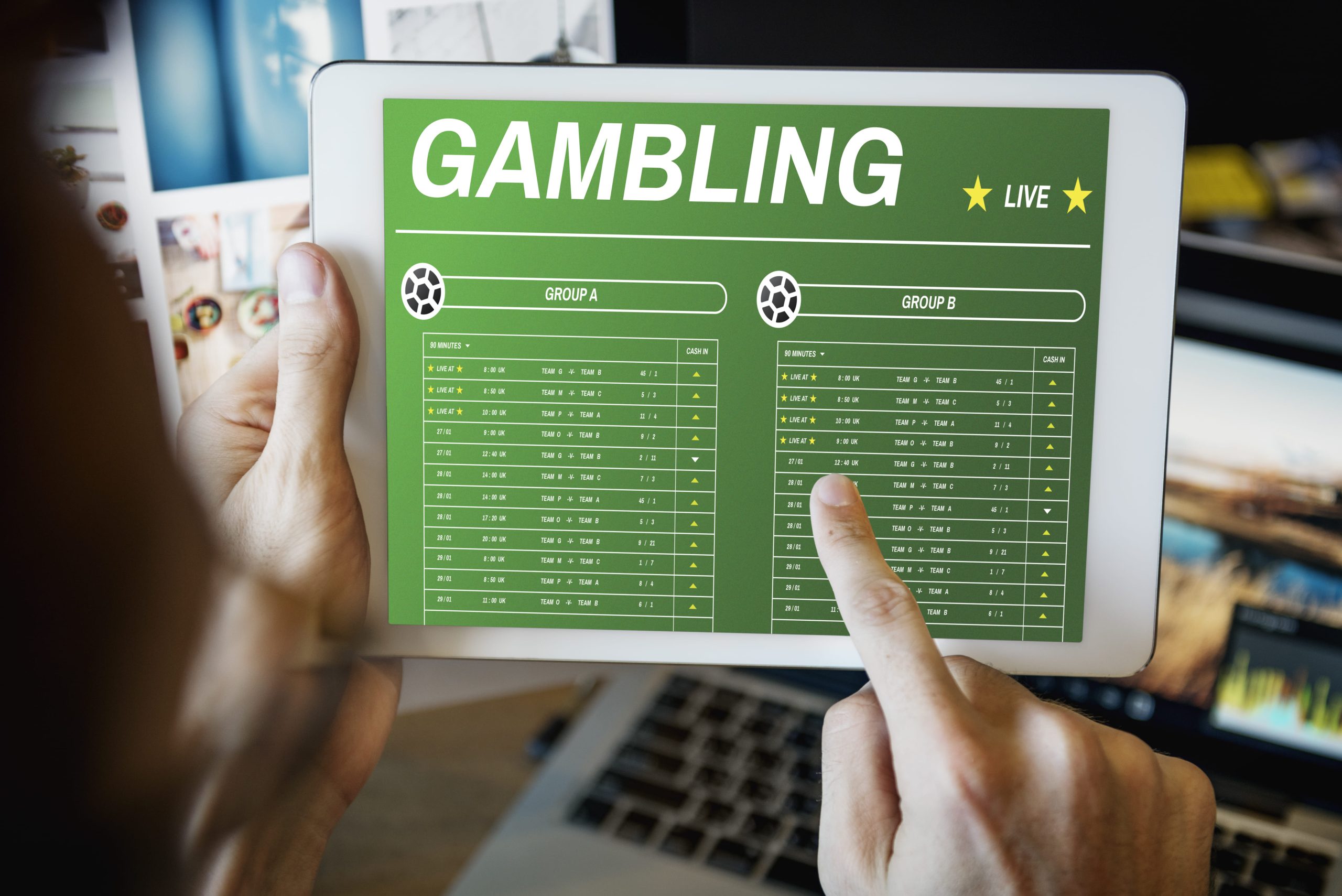
The first time most people open a sportsbook app, they stare at the screen for about ten seconds, find the team they want, and tap it. Everything else, the columns of numbers, the plus and minus signs, the fractions sitting next to each line, gets ignored. That approach works fine for placing a bet. It is a terrible approach for making a good one.
Professional bettors read an odds screen the way a mechanic reads a diagnostic report. Every number is data. The question is knowing which data matters, in what order to read it, and what it is actually telling you about the game before you have formed a single opinion about who wins.
Most recreational bettors look at the spread first. Professionals look at the juice first.
Juice is the commission baked into the odds. On a standard bet, both sides are priced at -110, meaning you risk $110 to win $100. That gap between what you risk and what you win is how the sportsbook makes money regardless of the outcome. It is not a fee you pay once. It is a tax on every single bet you place, and it compounds over hundreds of wagers in a way that quietly destroys bankrolls.
Here is why it matters before you even look at the line. If one side of a bet is priced at -110 and the other is at -115, the book is nudging you toward the -110 side. They have moved the price to make one option slightly more expensive, which typically means more money has come in on that side and they are trying to rebalance. That pricing tells you something about where the public is leaning before you have read a single injury report.
A sharp bettor sees -115 on a side and immediately asks why. A casual bettor does not notice it at all.
Every game on a standard odds screen presents three separate bets. Most bettors treat them as variations of the same question. They are not.
The spread asks: by how much will the favorite win? A team listed at -6.5 needs to win by 7 or more for a spread bet on them to cash. The underdog at +6.5 covers if they win outright or lose by 6 or fewer. The spread is the book’s attempt to create a 50/50 proposition out of a game between unequal teams.
The moneyline asks: who wins the game, period? No margin required. The catch is that the favorite costs more to back. A -220 moneyline favorite requires you to risk $220 to win $100. That price reflects the book’s implied probability, and -220 converts to roughly a 69% chance of winning. If you think the favorite wins 75% of the time, the moneyline has value. If you think they win 65% of the time, it does not.
The total asks: will the combined score go over or under a specific number? Totals are largely independent of which team wins. A 34-31 game and a 17-10 game can both involve the same winner. Professionals who specialize in totals are often analyzing pace of play, weather, offensive line matchups, and defensive schemes rather than team quality in any traditional sense.
Three numbers. Three different questions. Reading all three before placing any of them is the baseline habit that separates deliberate bettors from reflexive ones.
Here is what most casual bettors walk past without realizing what they are seeing.
Sportsbooks post opening lines, typically Sunday night or Monday morning for the following week’s NFL slate, and those lines move between opening and kickoff based on where the money goes. A line that opens Chiefs -3 and moves to Chiefs -4.5 by Friday has received significant action on Kansas City. A line that opens at -3 and moves back to -2.5 has received enough money on the underdog to push it the other direction.
DraftKings, FanDuel, and most major sportsbooks display the current line. Tracking sites like Action Network and Covers show you the opening line alongside the current one, which means the movement is visible to anyone willing to look. That movement is as close as a recreational bettor gets to seeing where informed money went.
A few things line movement can signal. A line moving toward the favorite despite heavy public betting on the underdog suggests sharp action on the favorite. A line moving against the public, called a reverse line move, is one of the more reliable tells that professionals have taken a position. [VERIFY: specific percentage thresholds used by sharp bettors to identify meaningful moves] Neither pattern is a guaranteed winner. Both are more information than you had before you looked.
Sharp bettors are also notable for what they do not use.
Winning streaks and losing streaks as standalone data points mean almost nothing. A team that has won six straight may have beaten six poor opponents by margins that masked serious problems. A team on a three-game losing skid may have lost all three by a combined 9 points against playoff-caliber competition. The streak is visible on the screen. What it obscures is more important than what it shows.
Public betting percentages, which some sportsbooks display directly on the app, tell you where recreational money is going. Professionals treat heavy public percentages on one side as a mild warning sign about that side’s price, not a reason to bet it. When 78% of bets are on the Cowboys and the line has not moved significantly, the book is comfortable taking that action. That comfort is worth noting.
The team logos and color schemes are also worth mentioning, not as a joke but as a real behavioral observation. Sportsbook apps are designed to be visually engaging, and the teams with the biggest fan bases, the Cowboys, the Lakers, the Yankees, generate the most recreational betting volume regardless of their actual quality in a given week. Professionals are aware of this and factor the resulting line inflation into their process.
None of this produces winners automatically. A bettor who understands juice, reads all three lines, tracks movement, and discounts public percentages is still fighting a house edge on every single wager. The math does not disappear because your process improved.
What changes is the quality of your decisions. A recreational bettor who spends three minutes reading an odds screen before placing a bet is working with more information than one who spends ten seconds finding their team and tapping it. Over hundreds of bets, that difference in process shows up in the results in ways that are slow to appear and hard to argue with once they do.
Open the app before the next game you plan to bet. Before you look at who is playing, look at the juice on both sides. Then read the spread, the moneyline, and the total as three separate questions. Then check whether the line has moved since it opened, and in which direction. Form your opinion last, after all of that, rather than first.
That is the order. It feels backwards until it does not.