Sports Betting for Entertainment or Profit?

Most recreational bettors never actually choose. They open a sportsbook account with some loose notion of making a little money while making the games more interesting, and they never stop to ask which of those two things is actually driving them. That ambiguity feels harmless. It is not. Bettors stuck between the two mindsets consistently lose more than either the disciplined profit-seeker or the honest entertainment bettor, because they apply the logic of neither. The question is not which approach is better. Both are valid. The question is which one you are actually doing, and whether your habits match your answer. The Two Mindsets Are Further Apart Than They Look An entertainment bettor and a profit bettor can place the exact same wager on the exact same game and be doing completely different things. The entertainment bettor is buying a reason to care. The $25 on the Bears covering is not really about the $25. It is about the third quarter mattering when it otherwise would not. Winning feels good. Losing is the cost of the product. As long as the experience was worth the price, the transaction was a success. The profit bettor is running a process. The same $25 bet exists because they identified a line they believe is mispriced, sized the wager according to their bankroll rules, and are building toward a long-term record that can be evaluated for edge. Winning feels like confirmation. Losing feels like data, provided the process was sound. Same bet. Completely different relationship to the outcome. The problem starts when a bettor thinks they are the second type but is actually wired like the first. This is the uncomfortable part. A bettor who tracks their record obsessively, argues with their picks on social media, and feels genuine anger after a bad beat is not profit-motivated. They are ego-motivated. The money is keeping score, but what they actually want is validation that their football knowledge is real. That is an entertainment motive wearing a financial costume, and it is expensive to maintain because it leads to exactly the kind of emotional decision-making that produces bad bets. Chasing losses after a rough Sunday is not a profit behavior. It is an entertainment behavior, specifically the behavior of someone whose experience was unsatisfying and who wants a do-over. Betting a bigger number on Monday Night Football to “get right” after going 1-4 on the early games has no logical basis in any profit framework. But it makes complete sense if what you are really buying is the feeling of winning, and you have not gotten enough of it yet. Recognizing this in yourself is not an indictment. It just means you are an entertainment bettor, and there is a much healthier way to do that. If the honest answer is that you bet because it makes watching sports more engaging, the single most useful reframe is this: your losses are not a problem to solve. They are the price of the product. A person who spends $80 a month on a streaming service does not feel like they are losing $80. They feel like they are getting something for $80. Entertainment bettors who internalize that same logic, setting a monthly budget they are genuinely comfortable losing entirely, tend to enjoy betting far more and spiral far less. The bad beat still stings for a minute. It does not ruin the week. The practical setup is simple. Decide what you can afford to lose in a month without it affecting anything that matters. Bet in small, flat amounts that keep you in action for the full month. Stop tracking your record as a performance metric and start tracking it as a curiosity. When the budget is gone, it is gone. When it resets, you play again. What this is not: a license to bet recklessly. The budget has to be real. A number you set and then quietly ignore when you are down is not a budget. It is a suggestion, and suggestions do not protect you. For the bettor who genuinely wants to approach this as something closer to a skill game, the bar is higher than most people realize before they try it. Beating a sportsbook at -110 juice on sides and totals requires winning at least 52.4% of your bets just to break even. Consistently hitting 55% over a sample of 500 or more bets is considered genuinely good. Most recreational bettors who think they are profitable have never tracked enough bets over a long enough period to actually know their win rate. They remember the winning weeks and forget the losing ones, which is a completely human cognitive bias and a completely useless basis for evaluating whether you have an edge. Profit betting means keeping records, every bet, every line, every result, in a spreadsheet or a tracking app, over months and years. It means sizing bets as a consistent percentage of your bankroll, typically 1% to 3% per play, rather than going bigger when you feel confident and smaller when you are cold. It means being able to look at a losing month and evaluate whether your process was sound rather than just feeling bad about the number. None of that is impossible. It is just a different relationship to betting than most recreational bettors signed up for, and discovering that mid-season after a rough stretch is a painful time to find out. There is a practical test for this that is more honest than anything you will tell yourself in the abstract. Think about the last five bets you lost. How did you respond to each one? Did you note the result, move on, and evaluate whether your reasoning was sound? Or did you feel an immediate pull to place another bet, size up, or explain to someone why you were actually right and the result was bad luck? The first response is a profit bettor’s response. The second is an entertainment bettor’s response. Neither is a character flaw.
How to Read an Odds Screen Like a Professional Bettor
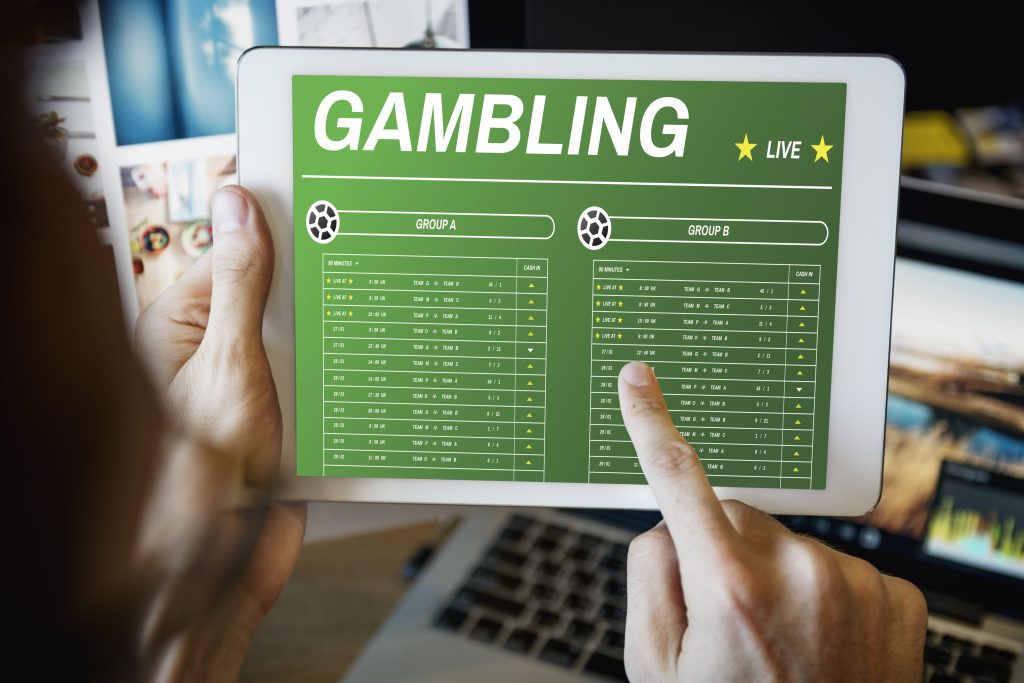
The first time most people open a sportsbook app, they stare at the screen for about ten seconds, find the team they want, and tap it. Everything else, the columns of numbers, the plus and minus signs, the fractions sitting next to each line, gets ignored. That approach works fine for placing a bet. It is a terrible approach for making a good one. Professional bettors read an odds screen the way a mechanic reads a diagnostic report. Every number is data. The question is knowing which data matters, in what order to read it, and what it is actually telling you about the game before you have formed a single opinion about who wins. Most recreational bettors look at the spread first. Professionals look at the juice first. Juice is the commission baked into the odds. On a standard bet, both sides are priced at -110, meaning you risk $110 to win $100. That gap between what you risk and what you win is how the sportsbook makes money regardless of the outcome. It is not a fee you pay once. It is a tax on every single bet you place, and it compounds over hundreds of wagers in a way that quietly destroys bankrolls. Here is why it matters before you even look at the line. If one side of a bet is priced at -110 and the other is at -115, the book is nudging you toward the -110 side. They have moved the price to make one option slightly more expensive, which typically means more money has come in on that side and they are trying to rebalance. That pricing tells you something about where the public is leaning before you have read a single injury report. A sharp bettor sees -115 on a side and immediately asks why. A casual bettor does not notice it at all. Every game on a standard odds screen presents three separate bets. Most bettors treat them as variations of the same question. They are not. The spread asks: by how much will the favorite win? A team listed at -6.5 needs to win by 7 or more for a spread bet on them to cash. The underdog at +6.5 covers if they win outright or lose by 6 or fewer. The spread is the book’s attempt to create a 50/50 proposition out of a game between unequal teams. The moneyline asks: who wins the game, period? No margin required. The catch is that the favorite costs more to back. A -220 moneyline favorite requires you to risk $220 to win $100. That price reflects the book’s implied probability, and -220 converts to roughly a 69% chance of winning. If you think the favorite wins 75% of the time, the moneyline has value. If you think they win 65% of the time, it does not. The total asks: will the combined score go over or under a specific number? Totals are largely independent of which team wins. A 34-31 game and a 17-10 game can both involve the same winner. Professionals who specialize in totals are often analyzing pace of play, weather, offensive line matchups, and defensive schemes rather than team quality in any traditional sense. Three numbers. Three different questions. Reading all three before placing any of them is the baseline habit that separates deliberate bettors from reflexive ones. Here is what most casual bettors walk past without realizing what they are seeing. Sportsbooks post opening lines, typically Sunday night or Monday morning for the following week’s NFL slate, and those lines move between opening and kickoff based on where the money goes. A line that opens Chiefs -3 and moves to Chiefs -4.5 by Friday has received significant action on Kansas City. A line that opens at -3 and moves back to -2.5 has received enough money on the underdog to push it the other direction. DraftKings, FanDuel, and most major sportsbooks display the current line. Tracking sites like Action Network and Covers show you the opening line alongside the current one, which means the movement is visible to anyone willing to look. That movement is as close as a recreational bettor gets to seeing where informed money went. A few things line movement can signal. A line moving toward the favorite despite heavy public betting on the underdog suggests sharp action on the favorite. A line moving against the public, called a reverse line move, is one of the more reliable tells that professionals have taken a position. [VERIFY: specific percentage thresholds used by sharp bettors to identify meaningful moves] Neither pattern is a guaranteed winner. Both are more information than you had before you looked. Sharp bettors are also notable for what they do not use. Winning streaks and losing streaks as standalone data points mean almost nothing. A team that has won six straight may have beaten six poor opponents by margins that masked serious problems. A team on a three-game losing skid may have lost all three by a combined 9 points against playoff-caliber competition. The streak is visible on the screen. What it obscures is more important than what it shows. Public betting percentages, which some sportsbooks display directly on the app, tell you where recreational money is going. Professionals treat heavy public percentages on one side as a mild warning sign about that side’s price, not a reason to bet it. When 78% of bets are on the Cowboys and the line has not moved significantly, the book is comfortable taking that action. That comfort is worth noting. The team logos and color schemes are also worth mentioning, not as a joke but as a real behavioral observation. Sportsbook apps are designed to be visually engaging, and the teams with the biggest fan bases, the Cowboys, the Lakers, the Yankees, generate the most recreational betting volume regardless of their actual quality in a given week. Professionals are aware of this and factor the resulting line inflation into their process. None of
Do I Focus My Sports Betting On Multiple Sports Or Just One?

The average recreational bettor has action on three different sports before noon on a Sunday. NFL spreads, an NBA total from Saturday night still pending, maybe a college football futures ticket sitting in their account from September. It feels like engagement. It feels like being plugged in. What it usually is, though, is a lot of shallow opinions spread across too many games, and a losing record that is hard to diagnose because the sample is too scattered to learn anything from. But here is the honest answer to this question: it depends entirely on what you actually want from betting. That is not a cop-out. Most bettors have never sat down and asked themselves that question with any real seriousness, so they just default to whatever is on the schedule. That default is costing them. There are basically two types of recreational bettors, even if nobody thinks of themselves this way. The first type wants to win, or at least lose less. They track their record. They feel genuine frustration after a bad beat that has nothing to do with entertainment value. A Sunday where they go 1-4 ruins the afternoon even if the games themselves were great. For this bettor, the question of one sport versus many has a clear answer, and we will get to it. The second type wants action. They want a reason to care about the third quarter of a Nuggets-Pelicans game on a Wednesday in January. The bet is the product, not the outcome of some disciplined process. There is nothing wrong with this. Sportsbooks exist because most bettors are in this camp, and a $20 wager that makes a random game watchable is a reasonable form of entertainment if you can afford the losses. The problem is that most bettors think they are the first type but behave like the second. They tell themselves they are making smart picks while placing bets on sports they have watched maybe twice this season. If winning (or losing significantly less) is the actual goal, specializing in one sport is not just a preference. It is a structural advantage. Line movement tells you a lot, but only if you understand the baseline. When the Chiefs open at -6.5 and move to -8 by Sunday morning, a bettor who watches every Kansas City game, tracks their injury reports, and knows their offensive line situation can interpret that move. They can decide whether sharp money is driving it or public money. A bettor spreading across four sports has no such context for any of them. They are guessing at the same price as someone who actually knows. Situational awareness compounds this. In the NFL, teams playing their second road game in three weeks against a division rival on a short week perform differently than their season averages suggest. That kind of pattern takes years of attention to a single sport to notice and use. The multi-sport bettor does not have years of attention for any one thing. They have a surface-level read on everything. Sharp bettors, the ones who actually beat closing line value consistently over a multi-year sample, almost universally specialize. Billy Walters built his operation around football. The Bookie Beaters group that ran out of Las Vegas focused almost entirely on NFL and NCAAF. Specialization is not a hobby preference among serious bettors. It is the method. Here is where specialization gets complicated for a recreational bettor who is not trying to become a professional. The NFL season runs roughly September through early February. If you go deep on football and only football, you are sitting out seven months of the calendar. For a bettor who enjoys having action during a lazy Saturday in June, that is a genuine quality-of-life issue. Forcing yourself into sports you do not follow to fill the void is not specialization. It is just multi-sport betting with extra steps, and it usually produces worse results than honest multi-sport betting because at least the genuine multi-sport bettor has some familiarity with what they are wagering on. Bettors who try to specialize in football but cannot handle the off-season tend to bleed money in summer months on baseball or soccer they have no real feel for, erasing the gains they built during the season. The off-season is not just a scheduling inconvenience. For a lot of bettors, it is where the year’s P&L actually falls apart. The honest middle ground, for a recreational bettor who wants to stay engaged year-round but also wants their picks to mean something, is two or three sports chosen deliberately. Not randomly. Deliberately. Pick the sports you already consume without any betting motive. If you watch 60 NBA games a year anyway, that is a sport worth betting. If you follow a specific college football conference closely, that conference is worth your attention. If you genuinely do not care about hockey beyond a casual playoff interest, betting the NHL is probably just burning money for action. Two or three sports gives you enough calendar coverage to stay engaged from September through June without a dead stretch. It gives you enough depth to actually develop an opinion worth wagering on. And it gives you a sample size, after a full season, that you can actually analyze and learn from. Three hundred bets across two sports tells you something about your tendencies. Three hundred bets across seven sports tells you almost nothing because the context for each one is too different to compare. The Practical Test Before placing any bet this week, ask one question: how many games from this sport have you actually watched in the last 30 days, with enough attention to have an informed opinion? Not highlights. Not the score check you did on your phone. Actual watching, where you noticed something about a team’s defensive scheme or a pitcher’s velocity or a point guard’s decision-making when the pick-and-roll coverage changes. If the answer is fewer than five or six games, you probably do not have
Professional Bettor vs. Gambling Influencer: They’re Not the Same Thing

In 2021, a sports betting influencer with 340,000 YouTube subscribers ran a documented 68% win rate on NFL picks for six straight weeks. His followers piled in. By week 10, he was down 22 units on the season. He never mentioned it. He just posted a new parlay and called it a bounce-back spot. That’s not bad luck. That’s the business model. The professional bettor and the gambling influencer occupy the same space on the internet. Same sports. Same terminology. Same confident predictions posted before kickoff. But they are not doing the same thing, and confusing one for the other is one of the most expensive mistakes a bettor can make. A professional bettor makes money by finding prices that are wrong. Not teams that are good. Prices that don’t accurately reflect the true probability of an outcome. The difference sounds subtle and isn’t. Sharp bettors like Billy Walters, who won an estimated $300 million over three decades before a securities conviction, built operations around information edges. Walters had phone networks across the country feeding him weather data, injury updates, and line movement before oddsmakers could react. He wasn’t picking winners. He was finding moments where the number was off by enough to bet into profitably. Zeljko Ranogajec, the Australian professional gambler estimated to wager over $1 billion annually on racing and sports, operates the same way. The edge is in the price, not the prediction. His operation employs analysts who model prices with more accuracy than the bookmaker. When the book’s line is wrong by enough to cover the vig, a bet goes in. This approach is slow, unglamorous, and deeply math-heavy. Most days nothing gets bet. The professional bettor does not watch 14 games on Sunday out of passion. They watch the ones where they’ve identified value, and they sit out the rest. The gambling influencer makes money from the audience, not the bets. Full stop. Revenue comes from affiliate deals with sportsbooks (typically $200 to $600 per depositing user referred, sometimes with a cut of lifetime losses), sponsorship contracts, merchandise, subscription Discord servers selling “premium picks,” and YouTube/TikTok ad revenue. A mid-tier betting influencer with 100,000 followers who converts 2% to sportsbook signups per month earns $4,000 to $12,000 monthly in affiliate income alone, regardless of how his picks perform. This is why the win/loss record doesn’t matter to the business. The product isn’t picks. The product is excitement, access, and the feeling of being in on something. The bets are content. When DraftKings or FanDuel signs an influencer to a sponsorship deal, they’re buying audience reach. Not accuracy. Not profitability. Reach. The influencer’s incentive is to post bets that are entertaining and plausible, not bets that are +EV. A $500 six-leg parlay with a $10,000 potential payout is better content than a -106 spread bet that closes for a 3% edge. Professional bettors do not post their records publicly. This is not suspicious. It’s strategic. Bookmakers limit and ban sharp accounts, so professionals go to significant lengths to obscure their identities and activity. When a betting syndicate like the one operated by Alan Woods in Hong Kong in the 1990s specific record consistently beat the racing market, they ran it quietly through a network of agents. Influencers post records constantly. Selectively. You’ll see the six-team parlay that hit for a screenshot. You will rarely see the full month’s unit count broken out with opening lines, closing lines, and verified bet slips. The few services that submit to independent tracking through sites like Covers.com or ScoresAndOdds historically show a different picture than their own promotional materials suggest. In 2020, a review of 28 documented “top handicapper” services tracked independently by the Action Network found that fewer than four beat closing line value over a full NFL season. Beating the closing line is the only reliable signal that a bettor has a real edge. Most influencers don’t come close. Professional bettors obsess over closing line value (CLV). If you bet a team at +3.5 and the line closes at +2, you beat the closing line. Consistently beating it means you’re getting better prices than the market settles on, which means you’re betting before the sharpest money moves the number. That’s the signal of an edge. Bad bettors and most influencers ignore CLV entirely. They track wins and losses. But a 55% win rate on sides looks good until you realize the lines moved against every one of those picks before kickoff, meaning the market thought each position was wrong the moment it was made. Pete Fierro, a professional sports bettor who has publicly documented his approach, has said something close to this: a bettor who consistently beats the closing line is profitable long-term almost by definition. A bettor who doesn’t is gambling, regardless of their current record. If an influencer you follow never mentions closing line value, that tells you something about what they’re actually selling. A profitable bettor selling picks is doing something that doesn’t make mathematical sense. If you have a genuine +4% edge on NFL spreads and you’re betting $10,000 per game, selling that edge to 5,000 subscribers who each bet $200 per game moves the market against you. Your edge shrinks or disappears. The sharp bettor protects his angle. This is why every legitimate professional bettor you’ll find, from the syndicates to the solo operators, either bets their own money quietly or, in rare cases, raises outside capital from investors who share in the upside. They do not run $29.99 per month Discord servers. The subscription model only makes sense when the picks themselves aren’t the actual product. When the business is the audience, selling picks is just upselling content. It sounds like access to an edge. It’s a content bundle. None of this means influencer betting content is worthless. It means you have to know what it is. Betting influencers are often good at entertainment, game previews, and surfacing props or angles that are interesting to think about. Some are genuinely
Is My Winning Streak Skill or Just Variance?

A bettor in an online forum posted his six-week record in October 2023: 18-9 on NFL sides, up 14.3 units. He was pricing himself out of his day job. He wanted to know if he was ready to go professional. Fourteen people told him yes. Three told him to keep tracking. He was back to flat by week 11. The math said slow down. The streak said something else entirely. That gap, between what winning feels like and what winning actually means, is where most bettors make their worst decisions. A hot run is not confirmation of an edge. It might be. But it also might be six weeks of variance wearing a disguise so convincing you start rewriting your life around it. Humans are pattern-recognition machines. That’s not a flaw, it’s the thing that kept the species alive. The problem is that a brain built to find patterns in a world of real causes and effects is also going to find patterns in randomness, because it can’t tell the difference from the inside. Daniel Kahneman documented this extensively in his work on the “hot hand” fallacy, the widespread belief among basketball players, coaches, and fans that a shooter who has made several consecutive shots is more likely to make the next one. The research, going back to a 1985 paper by Kahneman, Tversky, and Gilovich, found no statistical support for the hot hand in basketball shooting. The streaks people observed were consistent with random chance. The pattern was real. The cause was not. Sports betting is structurally identical. A bettor who goes 7-2 in a week feels momentum. He feels like he’s reading the games correctly. He probably isn’t reading them any differently than the week he went 3-6. He’s experiencing the normal distribution of outcomes around his true win rate, and the brain labels one end of that distribution “hot” and the other end “cold” and builds entire narratives around the difference. At a true 54% win rate on spread bets, which would be a profitable long-term edge after vig, the standard deviation on a 27-bet sample is large enough that going 18-9 (66.7%) is not remotely surprising. It falls well within the range of expected outcomes from luck alone. So does going 11-16. The sample is too small to separate the signal from the noise. How small is too small? Statistician and professional bettor Joseph Buchdahl, in his book “Squares and Sharps, Suckers and Sharks,” calculated that a bettor needs roughly 500 bets at standard juice before a winning record achieves statistical significance at even the 95% confidence level. Some estimates push that number higher depending on the edge size being tested. Most recreational bettors never hit 500 bets on a consistent methodology. They bet a few games a week, mix in different bet types, change their approach midseason, and make conclusions about their skill level on samples of 40 to 100 bets where variance is the dominant factor by a wide margin. The winning streak that feels like a revelation is happening inside a window where luck explains almost everything. Here’s the problem with tracking wins and losses during a streak: they tell you what happened, not why it happened. A bet can win because the outcome was correct, because the line was off in your favor, or because the result was within the range of variance around the true probability. Only one of those reflects an edge. Closing line value is the metric that strips the variance out. If you bet the Cowboys at -2.5 on Monday and the line closes at -4 on Sunday, you beat the closing line by 1.5 points. The market, after absorbing all available information from sharp bettors and syndicates, settled on a number that was worse for your position than what you got. You were right before the market knew it was right. That’s the signal. Bettors who consistently beat the closing line by 1% to 2% or more across large samples are demonstrating a real edge. It doesn’t guarantee a winning record in any given month. But it means the process is sound, which is the only thing that matters long-term. A bettor riding a hot streak who is not beating closing lines is winning on outcomes, not prices. The outcomes will regress. The prices already told the story. Go back through your last 50 bets. For each one, find the closing line from the book you used or from a line-tracking tool like Bet Labs or the Action Network’s closing line data. Write down what you bet and what the line closed at. Then calculate how many bets you got at a better number than closing. If the answer is above 53% to 54% of your bets, there’s a signal worth investigating further. Under that number, across 50 bets, the hot streak is likely variance. Not definitely. 50 bets is still a thin sample even for CLV. But it’s a more honest measurement than wins and losses. Most bettors skip this test because the result might dissolve the streak’s meaning. It’s more comfortable to believe the 18-9 record reflects genius than to run the closing lines and find out the market disagreed with most of those bets and the winners just happened to go the right way anyway. Here’s where it gets counterintuitive. Even if your streak contains genuine skill, the streak itself becomes dangerous. Confidence inflates. Unit sizes creep up. The bettor who was betting 1% of bankroll per game starts pushing toward 2% or 3% because the recent results suggest the edge is larger than originally thought. This is the moment professional bettors treat as high-risk, not low-risk. Ed Miller and Matthew Davidow, in “The Logic of Sports Betting,” write about how the variance that creates a hot streak is the same variance that will eventually create a cold one. A bettor who raises units during a hot streak and then hits the inevitable regression has amplified the downswing with money that was sized
Good Sports Book vs. Bad Sports Book: How to Spot a Bad One Before You Get Burned

A bettor in New Jersey hit a $4,200 parlay in October 2022 and waited six weeks to see a dime. The book kept asking for more identity verification. Then more documents. Then went quiet. He eventually got $1,800 of it after threatening a chargeback. The other $2,400 just evaporated. That’s not variance. That’s a bad bookie. The frustrating part is that the signs were there before he ever deposited. The difference between a book that pays and a book that stalls isn’t something you find out the hard way. There are specific, testable signals. You just have to know what you’re looking for. A good sportsbook processes withdrawals within 24 to 72 hours. That’s the standard. Bet365, Pinnacle, and most regulated books in New Jersey and Pennsylvania hit that window consistently. Some crypto-friendly books are faster. A bad bookie drags it out, and they have a playbook for doing it. First comes the “pending review.” Then a request for a utility bill, a selfie with your ID, or proof of payment method. Then silence. If you’ve ever deposited at a book and had a smooth experience, only to hit a wall the first time you tried to withdraw, you were dealing with a book built to collect deposits, not pay them out. The tell is asymmetry. Deposits clear instantly at bad books. Withdrawals suddenly require three business days, then five, then “up to 10.” When the friction only flows one direction, that’s not compliance. That’s a business model. Payout problems typically surface after you’ve won something big. But the earlier warning sign shows up the second you start beating them consistently, even in small amounts. Bad bookies limit accounts. Fast. A bettor on Twitter documented in January 2024 how his max bet at a major U.S. book dropped from $500 to $25 after four winning weeks on NFL sides. Not a $25 limit on some obscure prop. A $25 limit on the spread for a primetime game. That’s not risk management. That’s a sportsbook that only wants losers. Good books don’t do this. Pinnacle built their entire brand on accepting sharp action. Sharp bettors actually help them set better lines. A book that limits winners immediately after a winning run is one that priced the game wrong and doesn’t want to find out how wrong. You are being punished for being right. If a book you’re considering has forums full of posts about limits being slapped on after winning months, leave before you deposit. This one takes a little more work to spot, but it’s worth learning. Good bookmakers post sharp lines early and move them quickly when sharp money comes in. Pinnacle and Circa are the gold standards here. Their lines at open on an NFL game Tuesday morning are close to where the closing line will be by Sunday. They’re pricing the game correctly from the jump. Bad bookies post late, move slowly, and shade lines toward the public. If you see a book posting NFL sides 30 minutes before kickoff when the sharp books have been moving the line all week, that’s a book that doesn’t want informed bettors. They want recreational bettors who bet teams they like, not lines with value. When a book shades toward the public, they’re trying to balance their books by exploiting biases rather than by setting accurate prices. The practical test: compare opening lines at your book to Pinnacle’s opening lines on the same game. If your book is consistently 1 to 2 points off from Pinnacle at open, you’re playing on a square book. That matters even if you’re a casual bettor, because you’re getting worse numbers on every single bet you place. Here’s how the scam works. A book offers a $200 deposit match. You deposit $200, they give you $200 in bonus funds. Simple enough. What’s buried in the terms is a 10x rollover requirement, meaning you have to wager $4,000 in total before you can withdraw. And the rollover only counts bets at -200 or longer odds, excluding parlays, live betting, and anything with juice under -110. [VERIFY: rollover requirements at specific books named in FTC complaints or state regulatory filings, 2023-2024] That’s not a bonus. That’s a deposit lock. Your real $200 is now held hostage until you grind through rollover requirements that are deliberately structured to drain it. Good books either offer straightforward bonuses with reasonable 1x or 2x rollovers, or they skip the bonus altogether and compete on lines and limits instead. Pinnacle doesn’t offer sign-up bonuses. Their edge is pricing. That’s a book that wants your action long-term, not your deposit short-term. Read the rollover requirements before you accept anything. If the terms are longer than a car lease and harder to parse, that’s intentional. This isn’t a long list. A good sportsbook does a few things right and everything else follows from that. They pay within 72 hours, no exceptions and no extra hoops for standard withdrawal methods. They don’t limit winning accounts after a few good weeks. Their lines open close to market price and move in response to sharp money, not public money. Their bonus terms, if they have them, are clean and short. And they have a physical address, a license number from a state or jurisdiction you can actually look up, and a customer service line that answers. Books operating offshore with no verifiable licensing, no public address, and customer support that only works via live chat before you have a problem are not built for long-term relationships with bettors. They’re built to maximize net deposits. Most bettors stick with bad books because switching feels like effort. It’s not. Opening an account at a regulated book takes 10 minutes. The real cost isn’t a single bad payout experience. It’s the accumulated edge you’re giving away on every single bet. If your book’s lines are consistently 1 point worse than market price on NFL spreads, and you’re betting 200 games a year at $110 to win $100, that
Why Betting Overnight Lines Differ From Betting Closing Line Value

Some of the most important bets in sports gambling are placed before the public even knows the market exists. Late Sunday night during football season, sportsbooks quietly release opening NFL lines for the following week while most recreational bettors are still reacting emotionally to the games they just watched. An NBA sportsbook may post player props at midnight before injury situations become fully clear. College basketball numbers might appear overnight with relatively low limits while bookmakers are still shaping opinions about matchups. That early stage of the market feels unfinished because it is unfinished. And for sharp bettors, that uncertainty is exactly the point. The average bettor thinks sports betting is primarily about predicting winners. The sharper bettor understands the real battle usually revolves around timing and price. That difference sounds subtle until money enters the equation. Then it becomes everything. Casual gamblers love certainty. They want finalized injury reports, weather clarity, lineup confirmation, expert opinions, and social media consensus before risking money. Therefore most recreational betting volume enters the market closer to game time, when the numbers feel safer and the information feels complete. But the closer a market gets to kickoff, the more efficient it usually becomes. Sportsbooks absorb betting syndicate action, public money, injury news, weather changes, and advanced modeling adjustments for days leading into the game. By the time the average bettor sits down Sunday morning ready to fire NFL sides, the market has already been attacked repeatedly by some of the sharpest gambling groups in the world. That is why professional bettors often behave in the exact opposite way casual bettors expect. Instead of waiting for certainty, they attack uncertainty aggressively because uncertainty is where sportsbooks are most vulnerable. Companies like DraftKings, FanDuel, and Caesars Sportsbook are not posting overnight lines because they believe those opening numbers are perfect. In many cases, sportsbooks intentionally release tentative prices designed to let the market help shape the final number. Oddsmakers understand sharp syndicates will immediately attack weak lines overnight, therefore early movement itself becomes useful information. Sportsbooks are effectively inviting respected bettors to stress test the market before recreational volume floods in later. That dynamic creates one of the most misunderstood concepts in sports betting. Recreational gamblers constantly hear sharp bettors discussing closing line value and assume beating the closing line simply means betting early. But closing line value is not the strategy itself. It is the measurement showing whether your strategy consistently captured better numbers than the final market price. Those are very different ideas. A bettor may place a wager Sunday night on an NFL team at -2.5, only to watch the line climb to -5 by kickoff. That bettor captured tremendous closing line value because the market moved aggressively in his favor after he entered the position. But the value did not appear magically because he “bet early.” It appeared because he identified a vulnerable overnight number before the rest of the market corrected it. That distinction matters enormously because many intermediate bettors misunderstand what sharp overnight betting actually looks like. They hear professionals discussing overnight markets and start blindly firing early wagers without understanding why certain numbers move. That approach usually ends badly because overnight betting is not random guessing before bedtime. It is a specialized form of market analysis built around identifying prices likely to shift once broader information and larger betting volume enter the market. The NFL provides the clearest example because opening numbers often appear while emotional reactions from the previous slate of games are still shaping public perception. A primetime upset, a star injury, or a nationally televised collapse can distort sentiment dramatically before sportsbooks fully recalibrate. Sharp bettors understand those emotional overreactions create opportunity. They are not necessarily trying to predict who wins next Sunday. They are trying to predict where the market itself will move over the next six days. That changes the entire psychology of betting. The public thinks in terms of teams. Sharp bettors think in terms of numbers. A recreational bettor says, “I think Buffalo wins this game.” A sharper bettor says, “This line should never be under three.” Those are completely different conversations. One focuses on outcomes. The other focuses on pricing inefficiency. The reason closing line value matters so much is because the closing number in major sports usually represents the market’s most refined opinion. By kickoff, sportsbooks and betting syndicates have spent days attacking weaknesses, incorporating injury updates, adjusting for weather, monitoring betting splits, and refining projections. Therefore the closing line becomes an extremely efficient estimate of probability. It is not perfect because no market is perfect, but it is usually far sharper than the opening number posted days earlier. That is why sportsbooks monitor closing line value aggressively when evaluating bettors. A bettor consistently beating closing numbers over hundreds or thousands of wagers becomes dangerous even during temporary losing streaks. Sportsbooks understand something many casual gamblers never fully accept. Good betting decisions and short-term betting results are not always the same thing. A bettor can lose five straight wagers while consistently capturing strong closing line value and still be making excellent bets. Another bettor can win five straight while repeatedly taking terrible prices and quietly building a losing long-term strategy underneath the surface. That reality feels unnatural to recreational gamblers because sports fans think emotionally about wins and losses. Professional bettors think probabilistically about expected value. The rise of player props accelerated this overnight market dynamic dramatically after legalization spread through states like New York and Ohio. Sportsbooks suddenly needed to offer enormous menus of betting options every single day. NBA assists, NFL receptions, MLB strikeouts, alternate props, same-game parlays, and live betting markets exploded across the industry almost overnight. The sheer number of prices sportsbooks needed to manage became staggering. That volume creates vulnerability. A sportsbook may dedicate significant attention toward refining an NFL spread because millions of dollars may flow through that market. But thousands of secondary player props often receive far less scrutiny, especially overnight before
What Sports Are Easiest to Beat in Sports Betting?

Every football season creates the same illusion. Millions of bettors spend all week consuming injury reports, podcasts, film breakdowns, fantasy analysis, and betting content until they convince themselves they finally understand the NFL better than the sportsbooks do. Then Sunday arrives, the bets go in, and by the end of the season most of those same bettors are quietly donating money back to the books. That contradiction sits at the center of sports gambling. The sports people know best are often the hardest ones to beat consistently, while some of the softer betting markets sit inside sports casual fans barely pay attention to. No market is truly easy long term because sportsbooks would either sharpen the lines or stop taking bets entirely if it were. But some sports and some betting markets are undeniably softer than others, especially when sportsbooks have less financial incentive to defend every number perfectly. The average recreational bettor struggles to accept that because fandom feels like expertise. Someone who watches twelve hours of NFL football every Sunday naturally believes they have an edge over the sportsbook employee posting lines. But sportsbooks are not relying on one employee with opinions. Companies like DraftKings, FanDuel, and BetMGM invest enormous resources into major sports because those sports drive betting volume. NFL sides and totals absorb millions of dollars in action every week, therefore oddsmakers refine those markets aggressively. Sharp syndicates hammer weak opening numbers early in the week, injury news gets priced in quickly, weather models adjust totals, and public sentiment reshapes spreads before kickoff even arrives. By Sunday morning, NFL betting lines are often brutally efficient. A casual bettor sitting on a couch at 12:45 PM trying to “read the games” is effectively competing against one of the most sophisticated gambling markets on earth. That reality explains why many professional bettors migrate away from heavily scrutinized markets and toward softer ones. Sportsbooks prioritize efficiency where money is largest. The NFL gets maximum attention because mistakes there are expensive. A random midweek tennis match or lower-level MMA fight card usually does not command the same level of scrutiny. That difference matters enormously. Softer markets tend to emerge where sportsbooks cannot justify spending endless manpower refining every line. Lower betting volume creates lower financial risk for the sportsbook, therefore pricing can become less precise. Sharp bettors understand this immediately. Instead of battling highly efficient NFL spreads with millions of eyes analyzing every angle, they often specialize in sports where information gaps still exist and lines move less efficiently. Tennis has quietly become one of the cleaner betting markets for sharp gamblers because the sport strips away many of the variables that complicate team sports. One athlete controls nearly the entire outcome. There are no backup cornerbacks ruining a game plan, no coaching staffs rotating personnel unpredictably, and no locker room chemistry issues hiding beneath the surface. That simplicity allows quantitative bettors to model player performance more directly. But tennis introduces another problem instead. Information becomes incredibly powerful because one minor injury or fatigue issue can completely alter a match. A shoulder problem during a hard-court tournament or exhaustion after international travel can move betting markets violently within minutes. Recreational bettors often get blindsided by those shifts while sharper bettors aggressively monitor injury whispers, scheduling disadvantages, and surface-specific performance trends. Live tennis betting becomes especially attractive because momentum swings happen constantly and sportsbooks struggle to fully quantify emotional or physical collapse in real time. A player can dominate the opening set before suddenly losing mobility or confidence twenty minutes later. That volatility creates opportunities sharp bettors rarely find inside mature NFL markets. The same principle appears in mixed martial arts, another sport many professional bettors consider softer than the public realizes. MMA remains difficult for sportsbooks to model perfectly because stylistic matchups create chaos. A fighter who destroys strikers may struggle badly against elite grapplers. Another fighter may look dominant in regional promotions before collapsing once facing higher-level competition inside organizations like Ultimate Fighting Championship. Sample sizes remain relatively small compared to sports like baseball or basketball, which makes predictive modeling harder overall. That uncertainty creates openings for bettors who genuinely understand technical fighting details the public ignores. Casual bettors love highlight knockouts and social media hype, but sharper MMA bettors focus on cardio, takedown defense, cage control, pace sustainability, and weight-cut history. Those details matter because sportsbooks cannot perfectly quantify every stylistic interaction, especially on lower-profile fight cards. NFL sides receive nonstop market pressure from syndicates, professional bettors, and public money all week long. A preliminary UFC fight involving unknown featherweights often receives far less sophisticated attention. The difference in market maturity becomes obvious once you understand how sportsbooks allocate resources internally. Player props represent another major shift in modern sports betting, and arguably the biggest source of softer markets over the last several years. After legalization expanded through states like New York, Ohio, and New Jersey, sportsbooks suddenly needed to offer enormous menus of betting options to attract recreational users. That meant thousands of player props across the NFL, NBA, MLB, and NHL every single day. The workload exploded overnight. Sportsbooks could dedicate significant resources toward refining major spreads and totals, but perfectly pricing every rebound prop, assist prop, receiving yards prop, and alternate line became nearly impossible. Sharp bettors recognized the imbalance immediately. Groups influenced by bettors like Rufus Peabody increasingly shifted attention toward quantitative prop betting because player outcomes often create more exploitable inefficiencies than team sides. One injury can dramatically alter usage rates and minutes distribution before sportsbooks fully adjust secondary player markets. A backup NBA guard suddenly projected for thirty-four minutes instead of eighteen may still carry outdated assist and points props for several minutes before the market catches up. That window sounds tiny, but betting syndicates attack those situations aggressively. Recreational bettors usually arrive too late because they are still debating which team feels “hot” entering the game. College sports create another fascinating category because information quality varies dramatically depending on the
Understanding Vig, Juice, and Hold in Sports Betting

A bettor can predict games correctly more often than his friends, win most Sundays during football season, and still lose money long term because he never understood one simple thing: the sportsbook is charging him for every bet he places. Most casual gamblers focus entirely on teams, players, injuries, weather, and trends while barely thinking about the actual price attached to the wager itself. That is exactly how sportsbooks want it. The real battle in sports betting is not simply against bad picks. It is against the built-in mathematical advantage sitting inside the odds every single time you place a wager. Sports bettors throw around terms like “vig,” “juice,” and “hold” constantly, but many people using those words only understand them loosely. They know the concepts exist somewhere in the background, but they do not fully grasp how aggressively those numbers shape long-term profitability. That gap matters because sportsbooks survive on margins, not predictions. They are not trying to perfectly predict outcomes. They are trying to consistently collect mathematical edge from bettors over thousands and thousands of wagers. The term “vig” comes from the word vigorish, a gambling term with roots tied to old bookmaker slang. “Juice” means essentially the same thing. Both describe the commission sportsbooks charge for taking bets. The easiest place to see this is inside a standard point spread wager. Imagine an NFL game where the Kansas City Chiefs are listed at -3 (-110) and the Buffalo Bills are +3 (-110). Most casual bettors glance at the spread and immediately start debating which side they like better. Sharp bettors look at the -110 first because that number determines the cost of doing business. At -110 odds, a bettor risks $110 to win $100. That extra $10 is the vig. If the sportsbook accepted perfectly balanced action on both sides, it would collect losing bets from one side and pay winners on the other while quietly keeping the difference. The book is not relying on predicting the game correctly. It is relying on math. If $110,000 comes in on Kansas City and another $110,000 comes in on Buffalo, the sportsbook collects $220,000 total, pays $210,000 back to winners, and pockets the remaining $10,000 regardless of who covers the spread. That sounds small until volume enters the picture. Sportsbooks process billions of dollars in wagers every year. Even relatively small hold percentages become enormous revenue streams once betting volume explodes during events like the NFL playoffs or Super Bowl. Companies like FanDuel and DraftKings are not building giant businesses because bettors are terrible at picking games. They are building giant businesses because the pricing structure itself creates long-term advantage. That is why casual bettors often misunderstand what it takes to win consistently. A bettor hitting 52 percent of standard -110 wagers is barely profitable. Barely. To break even at -110 odds, a bettor needs to win approximately 52.38 percent of bets over time. Most recreational gamblers dramatically underestimate how difficult that threshold actually is. Winning 50 percent sounds solid because people naturally think in terms of wins and losses. Sportsbooks think in terms of margin. The psychological effect of juice becomes even more dangerous once bettors start moving beyond standard spreads and totals. Parlays, same-game parlays, and prop bets often carry much larger hidden sportsbook edges than traditional wagers. Recreational bettors love these markets because they feel exciting. Turning $20 into $400 creates emotional appeal even when the math underneath becomes brutal. Sportsbooks aggressively promote parlays for exactly that reason. The hold percentage on parlays can become enormous compared to standard wagers. Hold refers to the percentage of total betting handle a sportsbook keeps after paying out winners. If a sportsbook takes $1 million in bets and keeps $70,000 after payouts, its hold percentage is 7 percent. That number fluctuates depending on sport, market type, and betting behavior, but parlays routinely generate much higher holds than straight bets because the compounded pricing creates extra edge for the book. That explains why sportsbooks bombard users with same-game parlay boosts every football weekend. They are not doing it because parlays threaten sportsbook profitability. They are doing it because parlays are one of the most lucrative products in modern gambling. The bettor feels entertained for three hours while the sportsbook quietly collects elevated margin behind the scenes. Understanding hold also explains why sportsbooks limit or restrict certain bettors faster in some markets than others. Recreational NFL bettors firing parlays and public favorites are usually extremely valuable customers because sportsbook hold percentages remain healthy against those betting patterns. But sharp bettors consistently beating niche player props or overnight lines become dangerous because they attack weaker pricing before the market fully adjusts. That difference matters enormously. A sportsbook may happily tolerate someone losing slowly into NFL sides for years because the built-in vig steadily works in the sportsbook’s favor. But a bettor regularly beating inefficient NBA assist props or low-liquidity tennis markets can reduce sportsbook margin quickly. That bettor is no longer simply gambling against outcomes. He is exploiting pricing weaknesses. Most intermediate bettors eventually discover this uncomfortable truth: sports betting is less about predicting games and more about understanding numbers. Two bettors can correctly identify the same team as the likely winner and still experience completely different long-term results based on price sensitivity alone. One bettor lays bad numbers constantly because he bets emotionally or too late in the week. Another shops aggressively for reduced juice, attacks soft openers, and understands probability better than the public market. Over hundreds or thousands of bets, that difference compounds aggressively. Reduced juice sportsbooks exist because sharper bettors care deeply about pricing efficiency. A bettor laying -105 instead of -110 may not notice much difference over a weekend, but over several thousand wagers the savings become enormous. That is why professional bettors obsess over line shopping. They understand something recreational bettors rarely think about. Small edges accumulate. Small mistakes accumulate too. The same principle applies to live betting, where sportsbooks frequently increase hold percentages dramatically
The Positives and Negatives of Betting Player Props

Sportsbooks did not accidentally turn player props into the center of modern sports gambling. They understood exactly where betting culture was heading long before most bettors realized it themselves. A decade ago, the average gambler focused mainly on point spreads and totals. You picked a team, argued with your friends about the game, watched for three hours, and either won or lost. But once sports betting legalization exploded across states like New York, Ohio, and New Jersey, sportsbooks realized bettors no longer wanted to gamble only on outcomes. They wanted action attached to every possession, every drive, every shot attempt, and every individual player. Suddenly an NBA game did not just have a side and total. It had dozens of assist props, rebound props, three-point props, alternate ladders, same-game parlays, and live player markets changing by the minute. That shift changed sports betting permanently because player props appeal to completely different types of bettors for completely different reasons. Recreational gamblers love props because props feel personal. A bettor may not care much about a random Tuesday night NBA game involving Orlando and Indiana, but he suddenly becomes deeply invested if he needs Tyrese Haliburton to record ten assists. Fantasy sports culture amplified this behavior because bettors already spent years tracking player statistics individually before legalized sportsbooks fully entered the picture. Props fit naturally into modern sports consumption. Fans follow players more than teams now. Social media revolves around highlights, usage rates, fantasy production, and star personalities. Sportsbooks understood this immediately and built betting menus around that reality. Sharp bettors approached props from a completely different angle. They did not love props because they were entertaining. They loved props because sportsbooks were suddenly trying to manage thousands of betting markets simultaneously every single day. That workload creates mistakes. NFL spreads and NBA sides receive enormous attention because sportsbooks understand how much money flows through those markets. But a sportsbook hanging hundreds of secondary player props overnight cannot perfectly defend every number with equal precision. Therefore softer pricing begins to appear in places where sportsbooks simply do not have time or financial incentive to refine every market perfectly. That reality explains why many professional betting groups increasingly shifted attention toward props over the last several years. Groups influenced by analytical bettors like Rufus Peabody recognized that sportsbooks defending massive menus of player outcomes would inevitably leave weak numbers exposed. A backup NBA guard projected for expanded minutes because of an injury may still carry outdated assist totals for a short period overnight before sportsbooks fully adjust. An MLB pitcher facing an unusually patient lineup may hold inflated strikeout props because the sportsbook relies too heavily on broad season averages. An NFL receiver stepping into a larger role after a teammate injury may have stale reception lines lingering briefly before betting syndicates attack aggressively. Those situations create legitimate opportunity because props remain one of the few betting environments where market inefficiencies still appear consistently. Traditional side markets in major sports have become brutally sharp. By kickoff, NFL spreads absorb public betting pressure, injury reports, weather updates, sharp syndicate action, and massive liquidity from every direction imaginable. Player props operate differently because the volume of numbers sportsbooks need to manage has become overwhelming. Therefore props often remain softer than mature sides and totals, especially overnight before the market fully settles. That softer pricing creates one of the biggest positives attached to props. They reward specialization. A bettor does not need to understand every matchup across the entire NBA slate. He may focus entirely on rebounding opportunities tied to pace and lineup combinations. Another bettor may specialize only in MLB strikeout props tied to umpire tendencies and opposing lineup patience. Another may model NFL reception props based on target share and projected game script. That narrow specialization becomes valuable because sportsbooks cannot perfectly refine every niche market simultaneously. Props also feel psychologically cleaner to many intermediate bettors. Predicting whether a running back exceeds 74.5 rushing yards feels simpler than evaluating an entire NFL spread involving coaching decisions, weather, injuries, situational angles, and game flow volatility. Props isolate variables into more digestible betting decisions. A bettor may feel he understands one player’s role more clearly than he understands an entire game environment. But that simplicity can become deceptive extremely quickly. The biggest danger attached to props is how fragile they really are beneath the surface. Casual bettors often assume player props reduce randomness because they isolate one athlete instead of an entire team outcome. In reality, props can become highly volatile because one unpredictable event completely reshapes the wager immediately. A basketball player picks up early foul trouble. A wide receiver tweaks a hamstring during the opening drive. A baseball game becomes a blowout, limiting innings for the starting pitcher. A coach unexpectedly changes rotations because of matchup concerns. The bettor may handicap the player correctly and still lose because the environment surrounding that player changed suddenly. That fragility becomes even more dangerous once sportsbooks quietly inflate pricing inside prop markets. Recreational bettors obsess over players while ignoring the actual numbers attached to the wagers themselves. Sportsbooks know this. Therefore many props carry worse pricing structures and higher hold percentages than standard sides or totals. A casual bettor may spend twenty minutes debating whether a receiver goes over his yardage prop while completely ignoring whether one sportsbook offers 68.5 yards at -110 while another hangs 72.5 at -120. Over hundreds of wagers, those differences become enormous. Sharp bettors understand something casual gamblers often resist accepting. Sports betting is fundamentally about price sensitivity, not simply prediction. Two bettors may identify the exact same player as a strong over candidate and still experience completely different long-term results because one consistently shops for better numbers while the other bets emotionally without comparing markets carefully. That emotional behavior becomes even more dangerous once same-game parlays enter the picture. Sportsbooks aggressively market player prop parlays because they combine entertainment with elevated sportsbook edge. A bettor suddenly needs a quarterback to