Can You Be a Winning Sports Bettor Without Watching Sports?

At 12:58 PM on NFL Sundays, millions of bettors settle into couches believing they are about to gain an edge. Seven hours later, most of them have donated money to sportsbooks while yelling at televisions. Meanwhile, some betting syndicates spent that same afternoon staring at screens full of numbers, injury reports, and line movement. No touchdowns. No commentary. No emotional swings. Just price shopping and probability. That sounds insane to casual bettors because sports fandom and sports betting feel inseparable. They are not. In many cases, they actively work against each other. The uncomfortable truth is that you can absolutely become a winning sports bettor without watching much sports at all. Some of the sharpest bettors in the world built careers doing exactly that. Sports bettors love the idea of the “eye test.” A quarterback looks sharp. A defense looks tired. A coach looks overwhelmed. Watching games creates confidence because the brain mistakes familiarity for expertise. But sportsbooks already know what you are watching. The second an NFL left tackle limps off the field, odds move. The second an NBA star gets ruled out, prop markets explode into motion. By the time the average bettor notices something during a broadcast, market makers at books like DraftKings and FanDuel have already adjusted.That changes the entire equation. If public information gets absorbed into betting lines almost instantly, then simply watching more football than everyone else does not automatically create value. In fact, it often creates overconfidence. A bettor watches the Dallas Cowboys dominate on Sunday night and convinces himself he “saw something.” The market already saw it too. Usually before halftime. The public thinks elite sports bettors sit in giant mansions watching twelve games at once. Real syndicates are usually far less glamorous.Groups influenced by bettors like Billy Walters became legendary because they approached betting like trading. Numbers mattered more than entertainment. Timing mattered more than fandom.That mindset still dominates modern sharp betting. A syndicate might have one person building predictive models, another monitoring injury news, another betting overnight openers, and another comparing prices across sportsbooks. Some runners placing bets may not even watch the sport they are betting. That sounds ridiculous until you realize the goal is not to “know ball.” The goal is to beat the number.There is a huge difference. A bettor can correctly predict that the Kansas City Chiefs are better than the Las Vegas Raiders and still lose money laying a bad spread. But a bettor who understands pricing can profit even while holding unpopular opinions. That is where intermediate bettors usually hit a wall. They still think sports betting is primarily about picking winners.It is not.It is about buying value before the market corrects itself. Sharp bettors obsess over one statistic casual bettors barely discuss: closing line value.If you bet an NFL team at -3 on Tuesday and the line closes -5.5 by kickoff, you beat the market by 2.5 points. Over hundreds or thousands of bets, that matters enormously. Sportsbooks monitor this closely because bettors who consistently beat the closing number are dangerous, even during short-term losing streaks.That reality destroys one of the biggest myths in sports betting. Books do not care whether you watch games. They care whether you consistently get better numbers than the market.A bettor who watches twelve hours of basketball every night but takes bad prices is usually dead money. A bettor who rarely watches games but consistently grabs efficient numbers before movement can survive long term. People hate hearing that because it removes the romance from betting.But markets do not care about romance. This is the part recreational bettors resist the hardest.Watching games introduces emotional bias constantly. You remember bad beats more vividly than lucky wins. You overreact to nationally televised games. You become attached to teams, players, coaches, and narratives. Suddenly you are no longer betting numbers. You are betting opinions you became emotionally invested in. A bettor who spends every Sunday emotionally tied to overs, parlays, and favorite teams usually starts forcing action. Discipline disappears. The line between entertainment and investment gets blurry fast. Many profitable bettors intentionally distance themselves from live viewing because they know emotion destroys decision-making.That does not mean they avoid information. Quite the opposite. They consume injury reports, efficiency metrics, weather data, pace statistics, and market movement obsessively. But they consume those things with detachment.The average bettor watches sports to feel excitement.Sharp bettors study betting markets to find mistakes.Those are completely different activities. Timing matters more than most bettors realize.By Sunday morning, NFL sides are often efficient because millions of dollars already shaped the market. But overnight openers earlier in the week can contain weak numbers before sportsbooks fully adjust. That is where syndicates attack.Groups connected to betting analysts like Rufus Peabody helped popularize a more quantitative approach to sports betting. Instead of relying on television analysis, these bettors build projections and compare them against sportsbook prices. If their model makes a game Pittsburgh -6 and the market opens Pittsburgh -3.5, they fire immediately.No watching required. The same thing happens in player props. Injury news creates cascading pricing mistakes constantly. One NBA player sitting out can dramatically increase usage rates for backups before sportsbooks fully react. Casual bettors usually discover these opportunities too late because they are focused on games instead of markets.That distinction matters.The best bettors often spend more time comparing numbers than consuming sports content itself. This does not mean sports expertise is useless.It matters enormously when paired with timing, context, and pricing.A sharp NFL bettor might understand offensive line injuries better than the market. A baseball bettor may identify velocity declines before sportsbooks fully adjust pitcher props. An NBA bettor may understand coaching rotations better than public models. But raw knowledge alone is not enough anymore.The internet erased a massive information edge over the past twenty years. Everyone has access to statistics, injury reports, beat writers, and advanced analytics now. That changed sports betting permanently.Back in the 1980s, a bettor with niche college basketball knowledge could dominate smaller markets because
Why is Sports Betting Legal in Certain States and Not Others?

In June 2018, the Murphy v. NCAA decision wiped out the federal ban on sports betting. Overnight, every state in the country had the same option: legalize it, regulate it, tax it. By 2026, that still has not happened. More than 30 states have some form of legal sports betting. A dozen do not. Some launched within months of the ruling. Others have stalled for years without a single bill crossing the finish line. The law changed in one day. The outcomes did not. The gap comes down to three forces that rarely align cleanly: money, politics, and control. Start with the easiest lever to understand. Money. New Jersey took in over $1 billion in sportsbook revenue in 2023, with a handle north of $10 billion. That translates into hundreds of millions in tax dollars depending on the year and rate. New York went even further, pulling in more than $1.5 billion in operator revenue in 2024 while taxing it at 51 percent. Those are not theoretical numbers. They are line items on a budget. States facing deficits or looking for new revenue streams see gambling as a politically easier option than raising income or property taxes. After the COVID budget crunch in 2020 and 2021, that pressure intensified. Lawmakers needed cash without voter backlash. Betting fit the profile. But revenue alone does not close the deal. If money were the only variable, every state would have legalized by now. That has not happened because some states do not view gambling as neutral. Utah and Hawaii remain fully illegal across the board. No casinos. No sportsbooks. Not even a lottery in Utah. That is not a policy oversight. It is a reflection of deeply rooted cultural and religious opposition that has held for decades. In Utah, the state constitution explicitly bans all forms of gambling. Changing that would require more than a simple legislative vote. It would require a fundamental shift in voter sentiment. That has not come close to happening. Hawaii presents a different version of the same resistance. Lawmakers have introduced betting bills almost every year since 2019. None have passed. Concerns about addiction, tourism impact, and social cost consistently outweigh the projected revenue. So while some states chase dollars, others reject the entire premise Here is where things get messy. A state can want the revenue and still fail to legalize. The reason is not public opposition. It is competing interests behind the scenes. Take California. It is the largest untapped betting market in the country. Estimates from Eilers & Krejcik Gaming [VERIFY: latest projection year] suggest annual handle could exceed $20 billion if fully legalized. The demand is obvious. The revenue potential is massive. But legalization efforts have failed repeatedly. The 2022 ballot measures are a perfect example. One proposal backed by commercial operators like DraftKings and FanDuel focused on mobile betting. Another, backed by tribal groups, limited betting to in-person sportsbooks on tribal land. Both sides spent over $400 million combined. Both measures failed. This was not about whether to legalize. It was about who gets control. In many states, you cannot talk about gambling without talking about tribes. Under the Indian Gaming Regulatory Act of 1988, federally recognized tribes can operate casinos under negotiated compacts with states. Those agreements often include exclusivity clauses. If a state expands gambling outside tribal control, it risks violating those deals. Florida shows how complex this can get. The state reached a compact with the Seminole Tribe of Florida in 2021 granting them control over sports betting. The rollout was challenged in federal court, paused, and later reinstated after a 2023 appeals decision [VERIFY: case name]. The result is a system where one tribe effectively controls the entire market through a hub-and-spoke model. That structure works for the state and the tribe. It limits competition for bettors. Legalization is not a single outcome. It is a spectrum. Some states build open markets. Colorado launched with more than 20 licensed operators, creating competition on pricing, promos, and user experience. Bettors in those states can shop lines and find value. Others go the opposite direction. New Hampshire partnered exclusively with DraftKings. Oregon initially ran betting through a state lottery app before opening slightly. In those setups, the state trades competition for guaranteed revenue share. Both models generate tax dollars. They produce very different experiences for bettors. More operators does not always mean a better market if the economics are broken. Look at New York again. A 51 percent tax rate sounds great for the state. It also forces sportsbooks to tighten pricing. That shows up in worse odds, fewer promotions, and lower limits. Compare that to Nevada, where tax rates are under 7 percent. Operators can afford to offer better lines because the margin is not being taxed away. For bettors, that difference matters more than legality itself. A legal market with bad pricing can be less attractive than an illegal one with sharper odds. States know this, but revenue targets often win the argument. You might think once a state legalizes, the fight is over. It is not. Since 2021, several states have introduced bills to restrict advertising, limit deposit methods, or increase funding for addiction programs. Massachusetts regulators fined operators over $100,000 in 2023 for marketing violations tied to college audiences [VERIFY: exact figure]. The concern is not abstract. A 2023 study from the National Council on Problem Gambling estimated that roughly 2.5 million U.S. adults meet the criteria for severe gambling problems. That number gets attention in statehouses. Legalization opens the door. It also puts the industry under a microscope. At a glance, it looks inconsistent. One state embraces betting, another rejects it. One launches 15 apps, another allows one. A third does nothing. But the pattern holds once you zoom in. States legalize when three things line up: they need revenue, political groups agree on who controls it, and cultural resistance is manageable. Remove any one of those and the process stalls. That is why New
How Tony Bloom Built a Gambling Empire
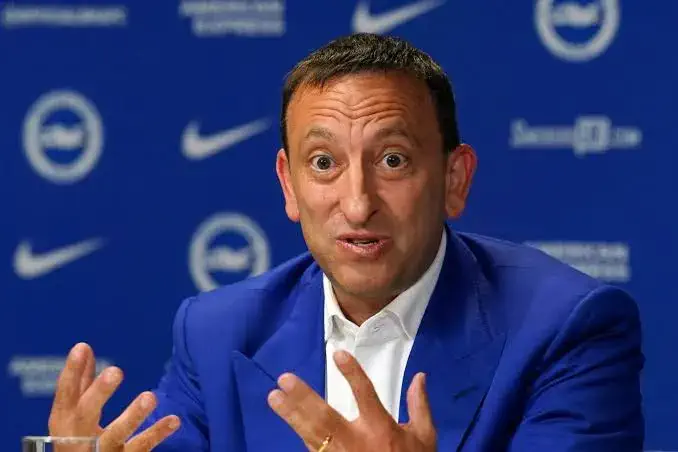
In the early 2000s, millions of dollars were moving through Asian sportsbooks tied to one name most bettors had never heard: Tony Bloom. No interviews. No social media. No public record of picks. Just volume. At a time when most bettors were arguing over stats on message boards, Bloom was already operating at a scale that looked more like a hedge fund than a gambling habit. Bets were not opinions. They were positions. That difference is where the story starts. In the late 1990s and early 2000s, professional betting still leaned heavily on individual skill. People built edges through contacts, injury information, or niche expertise in a single league. It worked, but it did not scale well. Bloom went in a different direction. He built a team. Instead of relying on one brain, he hired analysts, data specialists, and traders. The goal was not to find one good bet. The goal was to build a system that could identify thousands of small edges across global markets. Soccer, basketball, tennis, anything with enough liquidity. That shift sounds obvious now. It was not then. Bloom’s operation, often referred to as Starlizard, functioned more like a trading desk than a betting group. Data came in, models processed it, and bets were executed across multiple accounts and markets. This created two advantages. First, scale. Instead of betting $5,000 on a single edge, the syndicate could distribute millions across dozens of books and exchanges. Second, consistency. A single bettor might find five strong plays in a week. A model-driven team could find hundreds, each with a small but measurable edge. That is how you turn variance from an enemy into something manageable. Building a strong model is one thing. Getting money down is another. By the mid-2000s, many European and U.S.-facing sportsbooks were already limiting sharp accounts. Winning too consistently meant reduced limits or closed accounts. That environment caps growth. Bloom avoided that trap by focusing on Asian markets. Books like Pinnacle and SBOBET operated with high limits and a different philosophy. Instead of limiting winners, they adjusted lines quickly and took large action. That allowed syndicates to move serious money without getting shut out. It also meant the competition was tougher. Asian handicap markets, especially in soccer, are among the most efficient in the world. Lines move quickly. Information is priced in fast. Casual mistakes do not last long. That raises the obvious question. How do you win in a market that sharp? Bloom’s answer was not a single insight. It was incremental advantage. Better data collection. Faster processing. More accurate player ratings. Constant model adjustments. Each piece added a fraction of a percent. Combined, they created an edge large enough to matter when scaled across millions in volume. There was no magic formula. Just relentless improvement. Edges do not stay open forever. As more bettors adopted data-driven approaches, markets tightened. What worked in 2005 did not work the same way in 2015. Models had to improve or die. Bloom’s group adapted. They expanded into more leagues, including lower-tier soccer where data was less complete. They incorporated more granular metrics, tracking player-level performance rather than just team outcomes. They adjusted for factors like travel, fatigue, and tactical matchups. Each upgrade kept them competitive in a landscape that was getting harder every year. At some point, pure betting reaches a ceiling. Even with high limits, there are only so many markets and so much liquidity. Bloom pushed beyond that. In 2009, he became the majority owner of Brighton & Hove Albion. At the time, the club was outside the top tier of English football and playing in a dated stadium. It was not an obvious investment for a gambler. It was a long-term play. Running a football club is not the same as beating a betting line. The variables are less controlled. Emotions, injuries, and human decisions play a larger role. But the core idea transfers. Bloom applied data analysis to recruitment and strategy. Brighton focused on undervalued players, often from smaller leagues, using statistical models to identify talent before the market caught up. They avoided overpaying for established stars and instead built depth and efficiency. The results took time. Brighton was promoted to the Premier League in 2017. By the early 2020s, they were not just surviving. They were competing for European spots and selling players for significant profits. That is not luck. It is process. For all the success, very little is publicly known about Bloom’s exact methods. There are no detailed playbooks. No step-by-step guides. Interviews are rare and carefully managed. Even the structure of his betting operation is mostly inferred rather than confirmed. That is intentional. In a market where edges are thin, information is valuable. The more you reveal, the faster competitors close the gap. Keeping methods private extends the life of the advantage. It also makes replication difficult for outsiders. It is easy to look at Bloom’s story and focus on the outcome. The money. The football club. The reputation. That misses the point. The real edge was not a single model or sport. It was the approach. Treating betting as a long-term investment business. Accepting small edges. Scaling intelligently. Reinventing the process as markets evolved. Most bettors do the opposite. They chase big wins, overreact to short-term results, and rely on opinions instead of systems. That gap is where the advantage lives.There is a cost to operating at that level. Running a syndicate requires capital, infrastructure, and discipline. You are managing risk across thousands of positions, not just a weekend slate. Variance still exists. Losing stretches still happen. The difference is how they are absorbed. Bloom’s model works because it is built to survive those stretches. That is not easy to replicate on a smaller scale. You are not going to build a global betting syndicate tomorrow. You are not going to access the same data or markets. But you can change how you think. Stop looking for one perfect pick. Start thinking in terms of repeatable
How to Avoid Getting Limited or Banned at Sportsbooks

A bettor in 2023 got limited by FanDuel after winning $2,800 in 19 days. His average bet was $187. He never touched a five-figure payout, never chased, never tilted. On paper, he looked like the kind of customer every sportsbook says it wants. He was restricted to $12 max bets on NFL sides by week four. That result makes no sense if you think sportsbooks only care about how much you win. It makes perfect sense if you understand they care how you win and how predictable you look while doing it. The number is not the trigger. The pattern is. Why sportsbooks limit winning bettors DraftKings and BetMGM do not operate like old-school Vegas rooms that mostly relied on manual oversight. Today, risk is automated, scored, and flagged in real time. Every click you make feeds a profile. Bet size. Market type. Timing. Device. Even how often you log in. A 2022 earnings call from Flutter Entertainment referenced “customer-level profitability tracking” and “behavioral segmentation.” That is corporate language for this: they know exactly which accounts beat their numbers and which ones donate. But that system creates a second problem. It does not just catch sharp bettors. It catches anyone who looks like one. There are bettors who have never heard the term closing line value who still get limited. They stumble into it by accident. They bet a few player props that move heavily. They hit a couple of stale lines. They log in at the same time every day and take the best number available. From the outside, that profile overlaps with professionals. Consider a common example. A bettor takes an NBA prop at 10:02 AM because it is mispriced. By 10:08 AM, the line moves 20 cents. That happens three times in a week. The bettor thinks he is just getting lucky with timing. The book sees repeated early market wins against stale numbers. That is enough. Some actions light up a sportsbook dashboard immediately. Betting into soft markets is one of them. Player props, small college basketball games, niche tennis matches. These markets move fast and are easier to beat. If your history shows consistent success there, your account gets attention. Timing is another. Accounts that consistently beat the closing line by measurable margins get flagged. For example, if you regularly take +3.5 and the game closes +2.5, you are not guessing. You are either sharp or following sharp signals. Consistency is the third piece. Recreational bettors are inconsistent by nature. They chase. They parlay. They bet primetime games more than Tuesday night MAC football. An account that behaves like a machine stands out. None of this requires you to be a pro. It only requires you to look like one. Most bettors hear this and assume the answer is to start making bad bets. That is not the point. The goal is to avoid looking like a pure extraction machine. That means occasionally betting a same-game parlay. It means placing a $25 wager on a Sunday night game you actually want to watch. It means not having 100 percent of your action tied to edge-driven plays. In 2021, internal reports from Caesars Entertainment showed that parlay-heavy accounts had significantly longer lifespans, even when they were slightly profitable. Why? Because they generated hold. They looked normal. You are not trying to fool the system completely. You are trying to avoid sitting at the top of the risk queue. You can do everything right in terms of bet mix and still get limited if your timing is too clean. Accounts that always grab the best number early get noticed. So do accounts that only bet minutes before a line moves. Both patterns signal efficiency. Mixing timing helps. Some bets early. Some bets closer to game time. Occasionally take a number that is not the absolute peak. That sounds counterintuitive. It is. You are giving up small edges to preserve long-term access. Professional bettors have been doing this for years. Not because they enjoy it, but because the alternative is getting cut off. There is a common suggestion floating around betting forums: win less, stay under the radar. That advice falls apart under scrutiny. Sportsbooks do not only track profit. They track expected value. If your bets consistently beat the market, the system assumes you will win over time, even if short-term results are flat. A bettor who goes 3–7 but beats the closing line by 15 cents on each bet is more dangerous than someone who goes 7–3 while taking bad numbers. This is why small winners still get limited. The book is not reacting to what happened. It is reacting to what is likely to happen next. Even perfect behavior will not save a single account forever. Limits are inevitable if you have an edge. The only question is how long it takes. That is why serious bettors never rely on one book. They spread action across FanDuel, DraftKings, BetMGM, and others. When one account tightens, they shift volume elsewhere. This is not just about survival. It is about line shopping. Having access to five books instead of one can add 2 to 3 percent to your long-term ROI simply by getting better numbers. But diversification also lowers your profile at each individual book. Less volume per account means less data to flag. Look at how known advantage players operate and a pattern emerges. Billy Walters was famous for spreading bets across a network of runners. James Grosjean has written extensively about camouflage and longevity. They were not just trying to win. They were trying to stay in action. That mindset shift matters. If your only focus is maximizing every edge, you burn out accounts quickly. If your focus includes longevity, your strategy changes. You start thinking in terms of months and years, not just tonight’s slate. There is no perfect solution here. You are balancing two competing goals. Maximize expected value on each bet, or maximize the lifespan of your accounts. You cannot fully
Common Mistakes Sport Bettors Make and how to Avoid Them

On November 19, 2023, one bettor on X posted a screenshot showing a $412 bankroll sitting at $11,487 after a seven-leg NFL heater. The comments looked exactly how you’d expect. Fire emojis. Goat emojis. People begging for the next lock. Three weeks later, the account disappeared. That story repeats itself every season because intermediate bettors usually know just enough to become dangerous. They understand line movement. They’ve learned basic bankroll management. They know parlays are mostly sucker bets. But they still make the same mistakes that drain accounts every football season, just in more sophisticated ways. The beginner loses because he bets randomly. The intermediate bettor loses because he thinks he’s smarter than variance. That difference matters. A strange thing happens when bettors move from beginner to intermediate level. They stop making obvious mistakes, but start making expensive psychological ones. A bettor who goes 14-5 over three NFL Sundays rarely thinks, “I’ve probably run hot in a high-variance market.” He thinks he sees the board clearly. That confidence changes behavior fast. A bettor risking $50 a game suddenly moves to $200 units because the reads feel sharper. He starts adding alternate spreads because he “knows” the underdog will keep it close. He increases volume because more games now look beatable. The market punishes that arrogance quickly. During the 2024 NFL regular season, favorites closed at roughly 50% against the spread again, despite millions of bettors convincing themselves every week that certain games were “free money.” The sportsbooks know public tendencies better than most gamblers know themselves. That becomes a problem because confidence feels identical to edge when things are going well. They are not the same thing. Most bettors imagine chasing losses as some drunk guy firing $2,000 on a midnight Korean baseball game. Real chasing is quieter. It looks like adding a live bet because “the stats say the game should flip.” It looks like doubling a unit size because the first half was unlucky. It looks like betting the Sunday night game because ending the weekend down feels psychologically unbearable. The bettor tells himself he’s still making sharp decisions. He usually isn’t. In his 2003 book The Logic of Sports Betting, professional bettor Ed Miller wrote that emotional discipline matters because markets punish inconsistency harder than ignorance. A mediocre system applied consistently can outperform a strong system applied emotionally. Most bettors learn that lesson only after a brutal weekend. A bettor loses two early college football games on Saturday. Therefore he increases exposure during the afternoon slate. But those losses create frustration, which creates impulsive bets. Therefore the late games become less about value and more about emotional recovery. The spiral builds itself. Sportsbooks love this cycle because emotional bettors naturally increase volume after losses. The customer thinks he’s fighting back. The book thinks the process is working perfectly. The average bettor in 2026 consumes more gambling content in one week than bettors consumed in an entire season twenty years ago. That sounds useful. It usually isn’t. A bettor wakes up and sees five “sharp money” accounts on X, three YouTube breakdowns, Discord picks, sportsbook boost alerts, injury speculation, AI prediction models, Reddit betting threads, and screenshots from anonymous cappers claiming 78% win rates. At some point, information stops helping. It starts replacing thinking. During football season especially, bettors confuse consensus with confirmation. If seven gambling accounts like the Ravens minus 3, the pick suddenly feels safer. But market agreement does not automatically create value. Sometimes it destroys it. By kickoff, the line may already be Ravens minus 5.5. That difference matters more than most bettors realize. According to data tracked by sports betting analyst Rufus Peabody, many profitable NFL betting models only outperform the spread by a narrow margin over large samples. Losing one or two points of line value consistently can erase an edge entirely. Intermediate bettors understand this intellectually. But they still bet bad numbers because they want action more than they want discipline. Billy Walters did not become one of the most respected sports bettors alive because he picked winners magically. He built networks. Information systems. Timing advantages. Betting partnerships. Positioning strategies. Most bettors only see the final pick. That misunderstanding creates one of the biggest traps in gambling culture. People tail successful bettors without understanding why the bet existed in the first place. A professional bettor may grab +7 on Sunday night because he expects the market to close +5 by Friday. By the time the average bettor sees the play online Thursday afternoon, the value may already be gone. But the public still bets it anyway because they trust the source more than the number. That reverses the entire logic of sharp betting. Closing line value exposes this problem brutally. A bettor can win short term while consistently beating himself mathematically. Another bettor can lose for weeks while still making strong bets if the closing market keeps moving in his favor. The scoreboard lies sometimes. The market usually lies less. Most intermediate bettors eventually learn not to risk half their bankroll on one game. Good. That’s basic survival. But bankroll leaks happen in more subtle ways after that. A bettor may risk 2 units on an NFL side, another unit on the quarterback’s passing over, another on a same-game parlay, another on the team total over, and another future tied to the same roster. He thinks he spread risk across multiple bets. He actually stacked exposure onto one opinion. One bad game script can destroy the entire day. This happens constantly during March Madness and the NFL playoffs because bettors convince themselves they are diversifying while repeatedly attacking the same narrative from different angles. Professional bettors think differently. They ask what happens if their core assumption is wrong. Average bettors ask how much they can win if they’re right. That difference separates survival from volatility. Every bettor eventually hits a losing streak long enough to question everything. That part is unavoidable. The dangerous part comes next. A bettor loses for three
Rufus Peabody
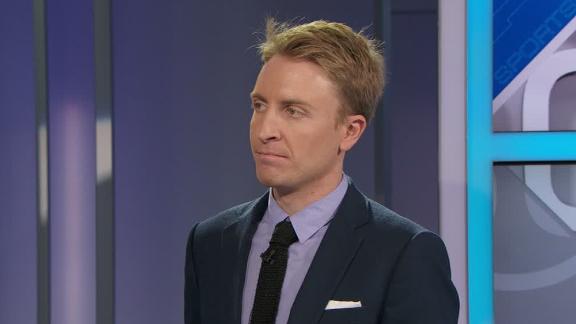
In the evolving world of sports betting, few names carry as much analytical credibility as Rufus Peabody. Known for blending sharp mathematical insight with disciplined bankroll management, Peabody has carved out a reputation as one of the most respected advantage bettors in the industry. From Mathematics to Markets Rufus Peabody’s background is rooted in math and statistics, which naturally led him toward betting markets. Unlike casual bettors who rely on intuition or fandom, Peabody approaches wagering like a financial analyst approaches the stock market—seeking inefficiencies, pricing errors, and long-term expected value (+EV). He gained early recognition through his work in sports analytics and later became widely known as the co-founder of Massey-Peabody Analytics, a firm specializing in predictive modeling for sports outcomes. His models are designed to identify edges before sportsbooks adjust, which is the foundation of profitable betting. The +EV Philosophy At the core of Peabody’s strategy is +EV betting. Rather than chasing wins, he focuses on making bets where the probability of success is greater than what the odds imply. This approach requires discipline, patience, and a willingness to lose in the short term for long-term gain. Peabody often emphasizes that winning bettors think in terms of thousands of bets—not individual outcomes. Variance is inevitable, but consistently placing +EV wagers leads to profitability over time. Market Awareness and Line Movement One of Peabody’s strengths is understanding how betting markets move. He closely monitors line movement, not just to find value but to understand why lines are shifting. This includes tracking sharp money, injury news, and public betting trends. He also stresses the importance of timing. Getting the best number—often referred to as beating the closing line—is a key indicator of long-term success. Bettors who consistently beat closing lines are typically making sharp, informed decisions. Bankroll Discipline Even with an edge, poor bankroll management can ruin a bettor. Peabody advocates for structured staking methods, often tied to the Kelly Criterion or similar models. The goal is to maximize growth while minimizing the risk of ruin. He warns against emotional betting, chasing losses, and overexposure on any single wager. For Peabody, discipline is just as important as finding value. Transparency and Education Unlike many professional bettors who operate quietly, Peabody has been relatively open about his methods. Through podcasts, interviews, and social media, he has helped educate a new generation of bettors on what it actually takes to win. He frequently breaks down misconceptions—such as the idea that betting is about picking winners rather than finding value—and encourages bettors to treat it as a skill-based, long-term endeavor. Final Thoughts Rufus Peabody represents a shift in sports betting from gut instinct to data-driven decision-making. His success is not built on luck or hot streaks, but on a repeatable process grounded in mathematics, discipline, and market awareness. For anyone serious about sports betting, studying his approach offers a clear takeaway: the edge isn’t in guessing—it’s in thinking differently than the market.
Jeff Ma: From Card Counter to Data-Driven Betting Mind

Casinos didn’t beat Jeff Ma. He walked away before they could. That detail matters, because most stories about gambling legends end in burnout, bans, or bankruptcy. Ma’s path looks different. He took a skill that once helped him win millions at blackjack tables and turned it into something far more durable, an edge built on data, discipline, and decision-making. This is not just a story about the MIT Blackjack Team. It is about what happens after the cards are put away. The MIT Blackjack Team Pop culture made the story famous through 21. It showed a group of brilliant students beating casinos with card counting, flashy wins, and high-stakes drama. Entertaining, yes. Accurate, not quite. Jeff Ma was part of that world, but the reality was more methodical than cinematic. The team operated like a business. There were investors. There were roles. Some players counted cards, others acted as “big players” who stepped in to place large bets when the odds shifted. It was structured, disciplined, and often boring. Card counting itself is not illegal, but casinos don’t like losing. That meant constant pressure. Players were backed off, watched, and sometimes banned. Success depended on staying unnoticed while executing a mathematically sound strategy over thousands of hands. Ma wasn’t just lucky. He was consistent. And consistency is what separates professionals from gamblers. Card counting gets all the attention, but it wasn’t the most valuable skill Ma developed. The real edge was decision-making under uncertainty. Every hand of blackjack is a small bet with imperfect information. Over time, those small edges compound. That mindset, making slightly better decisions again and again, translates far beyond a casino floor. Most people misunderstand advantage play. They think it is about beating the system in one big moment. It is not. It is about grinding out tiny advantages and trusting the math. That philosophy would later define Ma’s career. Knowing When to Walk Away Many advantage players stay too long. The edge shrinks. Casinos adapt. Variance catches up. Discipline fades. Ma did something smarter. He pivoted. Instead of chasing diminishing returns in blackjack, he moved into analytics and business. He worked in tech, advised teams, and eventually brought his thinking into sports betting and media. His book, The House Advantage, lays out this transition clearly. It is less about gambling and more about how to think. The lessons apply to investing, business, and everyday decisions. That shift is what separates a good story from a valuable one. From Blackjack to Sports Betting and Analytics Sports betting looks different from blackjack on the surface, but the core idea is the same. Find mispriced opportunities and exploit them over time. Ma leaned into this space by focusing on data. Not gut feeling. Not hot streaks. Data. He also became a voice in the analytics movement, contributing to discussions around how teams and bettors can use information more effectively. His work connected gambling principles with mainstream decision-making. This is where many bettors get it wrong. They chase picks instead of building a process. They look for certainty in a space that only offers probabilities. Ma’s approach flips that. The goal is not to be right every time. The goal is to be right more often than the odds suggest. You do not need to count cards to apply his approach. In fact, you probably should not try. Casinos are better at detecting it now, and the barrier to entry is higher than people think. What you can take are the principles. 1. Think in probabilities, not outcomes A losing bet can still be a good decision. A winning bet can still be a bad one. Judge the process, not the result. 2. Small edges matter You are not looking for 10x wins. You are looking for slight advantages that repeat. 3. Discipline beats excitement Most losing bettors are not dumb. They are undisciplined. They chase losses, overbet, and abandon strategy. 4. Longevity is the goal If your approach only works in the short term, it does not work. These ideas sound simple. They are not easy to follow. There is a persistent idea that gambling success comes from cracking a code or finding a secret. That is not how it works. Even the MIT Blackjack Team did not “break” blackjack. They followed known math and executed it better than the average player. That is a big difference. The same applies to sports betting. There is no magic formula. There is only better information, sharper pricing, and stronger discipline. Hollywood sells shortcuts. Real advantage players build systems. Why His Story Is Still Important It would be easy to file Jeff Ma’s story under “cool gambling history” and move on. That would miss the point. His career sits at the intersection of gambling, analytics, and decision science. Those fields are more relevant now than ever. Sports betting markets are sharper. Data is everywhere. Edges are smaller. That means the lessons matter more, not less. The modern bettor is competing against algorithms, not just bookmakers. The casual mindset does not survive in that environment. Ma’s approach, structured thinking, measured risk, and long-term discipline, is one of the few that still holds up. Most Importantly Jeff Ma did not win because he was the smartest person in the room. He won because he stayed consistent when others did not. He trusted math over emotion. Process over impulse. Long-term over short-term. That is not exciting. It is effective. If you are serious about betting, or any form of decision-making under risk, start there. Build a process. Track your results. Cut out emotion where you can. You do not need a casino team or a movie script. You just need an edge, and the discipline to stick with it.
Gadoon “Spanky” Kyrollos
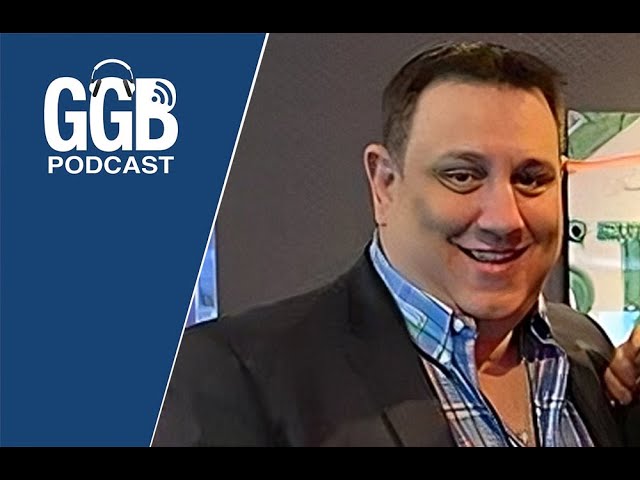
In the world of high-stakes sports betting, few figures are as influential, and as unconventional, as Gadoon “Spanky” Kyrollos. Known for operating at scale and building a network of bettors rather than working alone, Spanky has become a central figure in modern betting circles. A Different Approach Unlike many advantage players who rely strictly on individual skill, Spanky took a different route. He built a betting operation that functions more like a team or syndicate. By leveraging multiple accounts, bettors, and information sources, he’s been able to get down larger wagers and exploit market inefficiencies that smaller players simply can’t access. This approach allows for volume, one of the most important factors in professional betting. Even a small edge becomes highly profitable when applied across hundreds or thousands of bets. One of the biggest challenges sharp bettors face is getting limited or banned by sportsbooks. Spanky addressed this by creating a decentralized betting network. Instead of relying on a single account, his operation uses multiple outlets to place bets, allowing him to continue getting action down even after books identify sharp activity. This model has become increasingly common among serious bettors, but Spanky was one of the early adopters who helped bring it into the spotlight. Spanky’s success isn’t just about logistics, it’s also rooted in information. His network constantly tracks line movement, injury reports, and market signals. By reacting quickly and efficiently, his operation can capture value before odds adjust. Like other top bettors, he focuses heavily on closing line value (CLV). Consistently beating the closing number is a strong indicator that his bets are +EV, regardless of short-term results. Founding the Betting Community Spanky is also known for launching Bet Bash, one of the most well-known networking events in the sports betting industry. The event brings together professional bettors, bookmakers, and industry insiders to share insights, strategies, and connections. Through this, he’s helped legitimize sports betting as a professional pursuit and created a space where serious bettors can collaborate rather than operate in isolation. Spanky has built a reputation for being outspoken and direct about the realities of betting. He openly discusses issues like account limitations, sportsbook practices, and the challenges of sustaining long-term profitability. He often pushes back against the idea that betting is easy money, emphasizing instead the grind, discipline, and infrastructure required to succeed at a high level. Why He is a Difference Maker Gadoon “Spanky” Kyrollos represents a different kind of advantage player—one who understands that scale, structure, and access can be just as important as picking winners. His success highlights a key evolution in sports betting: it’s no longer just about individual skill, but about building systems that maximize opportunity.For serious bettors, the lesson is clear: finding an edge matters, but being able to execute that edge consistently and at scale is what separates professionals from everyone else.
Captain Jack Andrews: The Educator of Sharp Sports Betting
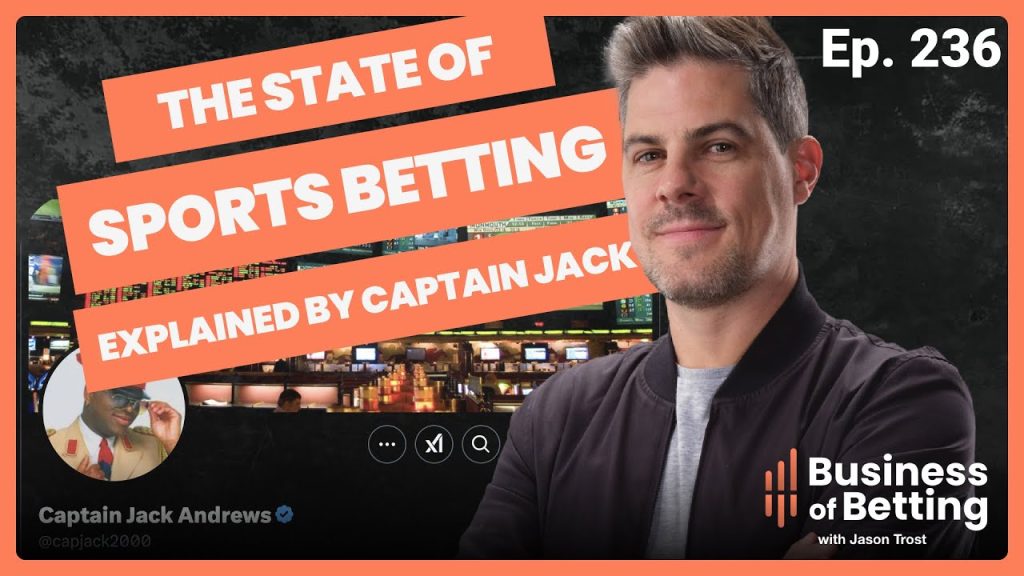
In the increasingly sophisticated world of sports betting, Captain Jack Andrews stands out not just as a winning bettor, but as one of the most influential teachers in the space. Known for his structured, no-nonsense approach, Captain Jack has helped thousands of bettors transition from guessing outcomes to understanding markets. From Advantage Player to Instructor Captain Jack built his reputation as a professional bettor, but his larger impact has come through education. Through his platform, Unabated, he provides tools, data, and training designed to help bettors think like professionals. Unlike many in the industry who guard their strategies, Captain Jack leans into teaching. His philosophy is simple: if bettors understand how markets work, they can make smarter, more disciplined decisions. One of Captain Jack’s core teachings is that sports betting isn’t about predicting winners—it’s about understanding pricing. He emphasizes concepts like implied probability, expected value (+EV), and closing line value (CLV). Rather than asking “Who will win?”, he encourages bettors to ask, “Is this price wrong?” This shift in thinking separates recreational bettors from sharp ones. It turns betting from entertainment into a process driven by logic and math. Through Unabated, Captain Jack has built one of the most respected educational ecosystems in sports betting. The platform offers tools like odds comparison, calculators, and training modules that walk users through real betting scenarios. Unabated focuses heavily on transparency and repeatable processes—key elements for anyone trying to achieve long-term profitability. Captain Jack is also a strong advocate for discipline and bankroll management. He frequently warns against common pitfalls like chasing losses, overbetting, and relying on gut instinct. His approach is methodical: find value, size bets appropriately, and trust the process over time. Like other sharp bettors, he understands that variance is unavoidable, but poor discipline is optional. A Voice for the Modern Bettor In addition to his tools and training, Captain Jack has become a respected voice in the betting community. Through podcasts, interviews, and social media, he consistently reinforces the importance of treating betting as a skill-based endeavor. He also speaks openly about industry challenges, including sportsbook limitations and the importance of having multiple outs. It’s All About The Process Captain Jack Andrews represents the educational backbone of modern sports betting. While many bettors focus on picks, he focuses on process—and that distinction makes all the difference. For anyone serious about improving, his message is clear: success doesn’t come from knowing more about sports. It comes from understanding the market better than the people setting the lines.
Don Johnson: The Man Who Beat the Casinos at Their Own Game

Most gamblers walk into a casino hoping to get lucky. Don Johnson walked in knowing he already had the edge. Not a feeling. Not a hot streak. A real, calculated advantage built before the first hand was even dealt. Over a stretch of high-stakes blackjack sessions in Atlantic City, Johnson won roughly $15 million from casinos that were supposed to have the upper hand. This wasn’t card counting in the traditional sense. It wasn’t reckless betting. It was something far more dangerous to the house. He changed the rules of the game before he played it. Most players accept whatever rules the casino offers. Table limits, house edge, restrictions. That’s the baseline. Johnson rejected that completely. Before sitting down, he negotiated with casinos for better conditions. Higher limits, favorable rules, and most importantly, loss rebates. These rebates meant that if he lost beyond a certain threshold, he would get a percentage of those losses back. That single adjustment shifted the math. Blackjack already has one of the lowest house edges in the casino when played correctly. Add in rebates and favorable rules, and suddenly the edge can flip. Now the player is no longer hoping to win. They are expected to win over time. This is the core principle of advantage gambling. Don’t fight the game. Change it. Casinos rely on probabilities. Over thousands of hands, the house edge guarantees profit. Johnson didn’t dispute that. He recalculated it. By combining optimal blackjack strategy with negotiated perks, he created situations where the expected value tilted in his favor. The casinos assumed variance would protect them in the short term. They believed even if the edge was reduced, they would still come out ahead during his sessions. They were wrong. Johnson played with discipline and scale. When the math is in your favor, betting bigger is not reckless. It’s logical. He consistently wagered massive amounts because the numbers justified it. This is where most gamblers fail. They bet big when they feel confident. Johnson bet big when the math demanded it. The defining weapon in Johnson’s strategy was the loss rebate. Casinos offered him deals where if he lost a certain amount, typically in the millions, they would refund a percentage of those losses. In some cases, around 20 percent. At first glance, that sounds like a safety net. In reality, it’s a structural edge. Imagine losing $1 million but getting $200,000 back automatically. That reduces the real loss significantly. Over time, this shifts the expected outcome. Now combine that with favorable blackjack rules and perfect strategy. The house edge shrinks to near zero or flips entirely. Johnson didn’t need to win every session. He just needed to play enough hands under those conditions. That’s exactly what he did. Winning millions in a casino sounds glamorous. The reality is brutal. Huge swings. Long sessions. Constant pressure. Johnson’s background in horse racing analytics helped him here. He was used to thinking in probabilities, not emotions. A bad run didn’t shake him because he understood variance. A good run didn’t make him careless. This emotional control is a common trait among elite advantage players. You see it in figures like Phil Ivey, who also operates without visible tilt or ego at the table. When you remove emotion, you remove one of the casino’s biggest advantages over players. Timing mattered. Atlantic City casinos were struggling during the period Johnson made his run. Competition was increasing, and they were eager to attract high-stakes players. That gave Johnson leverage. He wasn’t just negotiating in a vacuum. He understood the business side of casinos. He knew when they were vulnerable, when they needed action, and when they were more likely to offer favorable terms. This is another overlooked aspect of advantage gambling. The edge is not just in the game. It’s in the environment. Johnson identified a moment where casinos were willing to bend. Then he pushed. Most gamblers are driven by the need to play. They walk into a casino and find a game. Johnson did the opposite. If the conditions weren’t right, he didn’t play. No edge, no action. That level of patience is rare. It requires discipline and confidence. You have to be willing to sit out while others are playing, knowing your opportunity will come later. When it did, Johnson was ready. This mindset separates professionals from gamblers. Action is not the goal. Profit is. It’s easy to assume casinos made a mistake. The truth is more nuanced. They understood the deals they were offering. What they underestimated was Johnson’s execution. They believed variance would protect them in the short term. They assumed he would lose enough during sessions to offset any theoretical edge he had created. Instead, Johnson won consistently enough, at high enough stakes, to overcome that variance. By the time casinos adjusted or pulled back, the damage was already done. The Advantage Gambler Blueprint Don Johnson’s success wasn’t about one trick. It was a system built on a few core principles: These principles apply far beyond blackjack. They show up in sports betting, poker, and other forms of advantage play. Johnson didn’t just beat blackjack. He demonstrated how to approach gambling like a professional. Most players will never negotiate million-dollar loss rebates. That’s not the point. The lesson is in how Johnson approached the game. He refused to accept the default rules. He looked deeper than surface-level odds. He treated gambling as a problem to solve, not a thrill to chase. That mindset is what separates long-term winners from everyone else. Don Johnson didn’t beat the casino by getting lucky. He beat it by thinking differently. If you want to improve as a bettor or player, stop asking how to win the next hand. Start asking where the real edge is. If you can’t find one, don’t play. If you can, press it without hesitation.